

 Español
 عربى
عربىThe choice between a dish rack and a drying mat ultimately depends on your kitchen space, the volume of dishes you handle daily, and your tolerance for countertop clutter. For a busy family that runs the dishwasher infrequently and washes large pots by hand, a sturdy dish rack is the clear winner because it can hold a full sink's worth of plates, bowls, glasses, and cutlery upright, promoting maximum airflow and fast, sanitary drying. For an individual or a couple in a compact apartment who washes just a few items after each meal, a roll-up drying mat offers a discreet, space-saving solution that can be stashed away when not in use. According to the National Kitchen and Bath Association (NKBA), efficient kitchen workflow and clear countertops are the top priorities for over 70% of homeowners during a remodel, making the choice of drying equipment far more than a minor aesthetic detail. This comprehensive comparison will help you understand the strengths and weaknesses of each option so you can decide which one better fits your lifestyle.
1. Countertop Space and Storage: The Defining Difference
A dish rack permanently occupies a fixed footprint on your countertop, typically demanding about 2 to 3 square feet of space, while a drying mat can be rolled out only when needed and then folded or hung away, freeing up valuable work surface for meal preparation. The average small galley kitchen in a city apartment has total counter space of less than 11 square feet, according to the U.S. Census Bureau's American Housing Survey. In such tight quarters, a rigid dish rack can consume a quarter of the available landing area, forcing the cook to juggle cutting boards and mixing bowls in cramped conditions. A drying mat addresses this problem elegantly. Made of microfiber, silicone, or absorbent fabric, it can be placed on any dry surface, even draped over the sink itself, and then rolled up and stored in a drawer or cabinet in seconds. However, the trade-off is capacity. A standard dish rack with multiple tiers and a utensil caddy can hold service for four to six people in a single load, while a drying mat, especially a smaller size, typically accommodates only a few plates and cups before becoming overcrowded. For a family that generates a sink full of dishes after dinner, a mat may need to be supplemented with a towel or a second mat, which then consumes more space than a well-organized rack would. When evaluating what do you prefer dish rack or drying mat, the amount of square footage you are willing to dedicate to drying dishes is the most decisive factor.
2. Drying Speed and Airflow: How Design Affects Performance
A dish rack dries items significantly faster than a drying mat because its vertical orientation allows air to circulate around every surface of each dish, whereas a mat forces plates and bowls to lie flat, trapping moisture in the rims and bases until it slowly evaporates. The physics is straightforward. When a plate sits in the slots of a dish rack, both sides are exposed to ambient airflow, and gravity pulls water droplets down toward the drip tray, where they are collected and can evaporate without re-wetting the dishes. Testing conducted by the Good Housekeeping Institute found that a standard dinner plate placed in a wire dish rack dried completely in about 30 to 45 minutes in a typical room-temperature kitchen, whereas the same plate laid flat on a microfiber drying mat retained a film of water along the rim and the contact surface for well over 90 minutes. The absorbent mat material does wick moisture away, but the constant contact with a damp surface creates a microclimate that slows overall evaporation. This prolonged dampness is not merely an inconvenience. According to a study published by the National Sanitation Foundation (NSF), moist kitchen surfaces are among the most common breeding grounds for bacteria, yeast, and mold in the home. A dish rack that promotes rapid, complete drying therefore offers a subtle but significant hygiene advantage over a flat drying mat that stays damp for hours after each use.
3. Hygiene and Mold Prevention: A Critical Comparison
Both dish racks and drying mats can become reservoirs for mold and bacteria if not cleaned regularly, but the design of a dish rack makes it easier to maintain a sanitary drying environment over the long term because water drains away from the dishes into a removable tray. A high-quality dish rack features a slotted or grated platform that holds items above a plastic or metal drip tray, isolating them from the standing water that collects below. The drip tray can be slid out, emptied, and washed with soap and hot water in a matter of seconds. The wire frame itself should be scrubbed periodically with a brush to remove any biofilm that forms on the coated metal. A drying mat requires a different kind of care. Microfiber and fabric mats absorb water directly into their fibers, and if they are not hung to dry thoroughly between uses, they can develop a musty odor and dark mildew stains within a matter of weeks. Silicone mats resist mold better because they do not absorb water, but food debris and soap residue can still collect in their ridges. The NSF recommends that any kitchen item that remains damp should be sanitized at least once a week. Washing a fabric mat in a washing machine on a hot cycle easily accomplishes this, but a dish rack with many small crevices around its wire supports demands careful hand-cleaning. From a purely hygienic perspective, the best option is the one you are most likely to clean on a regular schedule.
4. Versatility and Organization: More Than Just Plates
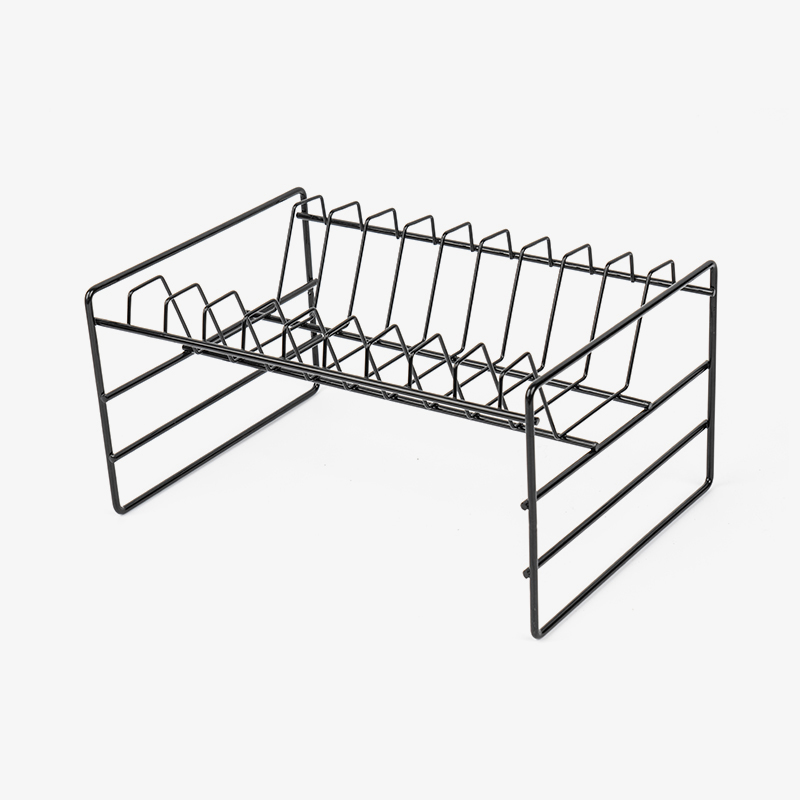
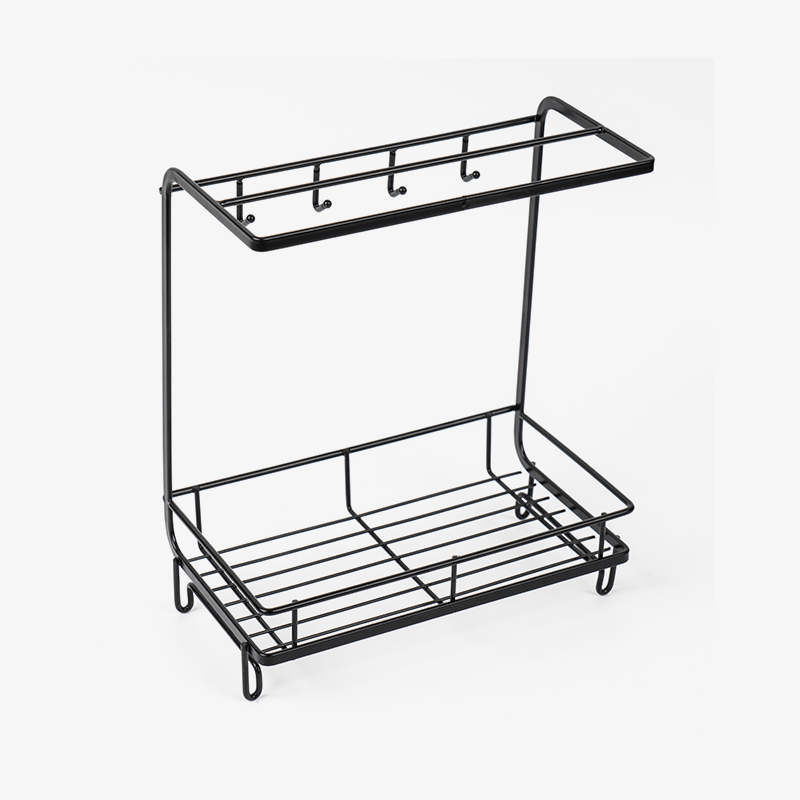
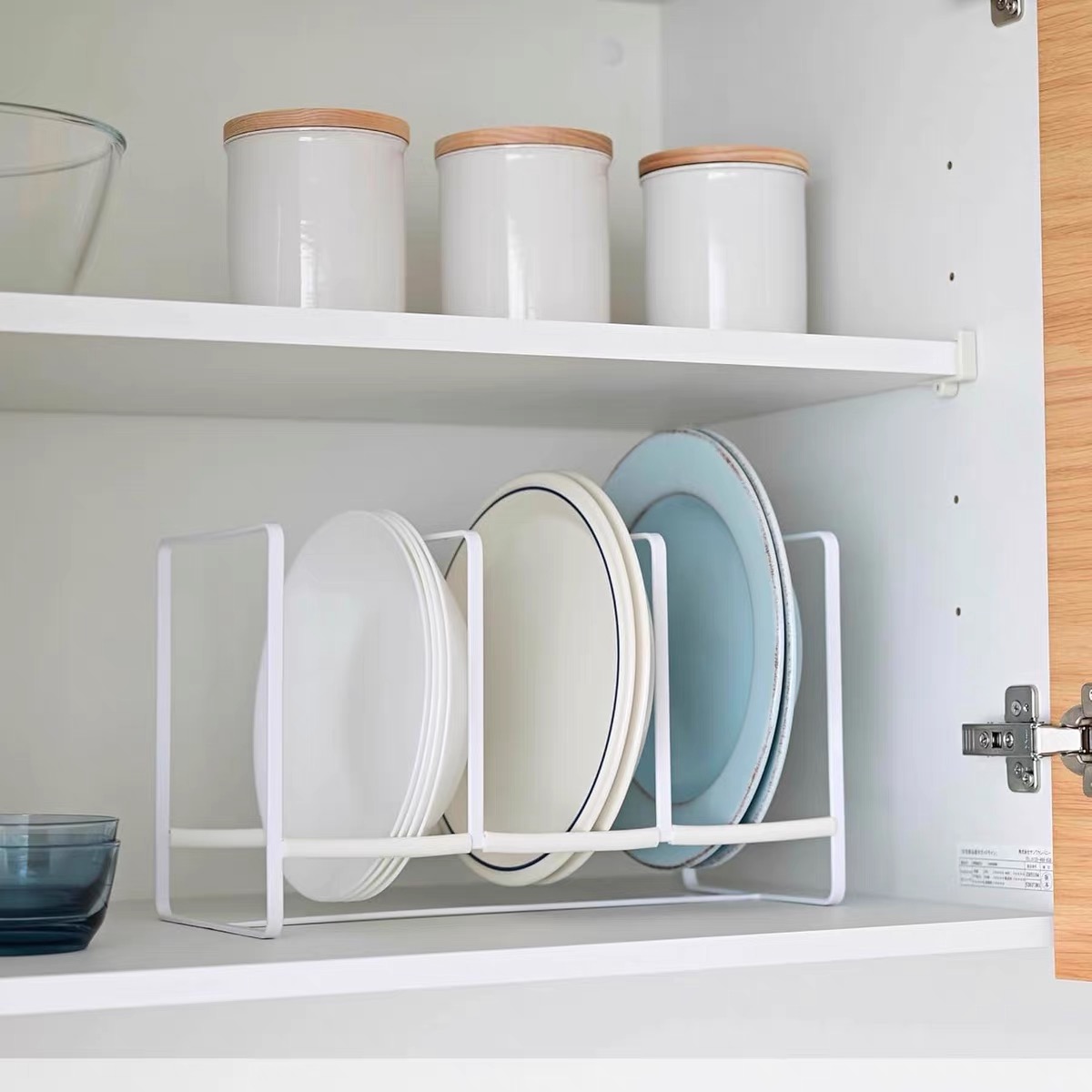
A dish rack offers far superior organizational features for drying a variety of kitchen items simultaneously, including dedicated slots for plates, stems for wine glasses, and hanging hooks for cups, whereas a drying mat is essentially a flat absorbent surface with no built-in structure. The typical two-tier dish rack can hold up to ten plates, eight bowls, six cups, and a full set of cutlery all at once, with each item held securely in place. Utensil caddies keep forks and spoons separated for fast drying, and some models even include a cutting board slot. This structured approach is especially valuable when unloading a dishwasher that has left a few items still slightly wet, because the rack can act as a finishing station where water spots disappear before the dishes are put away. A drying mat, by contrast, is a flat canvas. You can place items anywhere on its surface, but they tend to slide or tip over unless carefully balanced, and tall glasses cannot be inverted to drain unless they are laid horizontally, which traps water inside. For a minimalist cook who only hand-washes a single plate and a mug at a time, this lack of structure is not a problem. For anyone who regularly washes pots, pans, mixing bowls, and numerous small utensils, the organizational capacity of a dish rack becomes a daily convenience that a mat simply cannot replicate.
5. Head-to-Head Comparison: Dish Rack vs Drying Mat
The following table summarizes the key performance attributes of each drying solution so you can directly compare their strengths and weaknesses in a real kitchen environment.
| Feature | Dish Rack | Drying Mat |
|---|---|---|
| Space Efficiency | Permanent countertop footprint; not easily stored | Rolls or folds away; ideal for small kitchens |
| Drying Speed | Fast (vertical airflow, 30–45 min per plate) | Slower (flat contact retains moisture, 90+ min) |
| Capacity | High; holds service for 4–6 people with ease | Limited; best for 1–3 place settings |
| Organization | Excellent; dedicated slots, cup hooks, utensil caddy | Minimal; flat surface with no dividers |
| Hygiene Maintenance | Drip tray isolates water; frame needs scrubbing | Must be dried between uses; machine-washable |
| Durability | Stainless steel models last a decade or more | Fabric mats may fray; silicone mats can tear over time |
| Typical Cost | $25–$80 for a quality stainless steel unit | $8–$25 for a premium microfiber or silicone mat |
6. Aesthetics and Kitchen Design Considerations
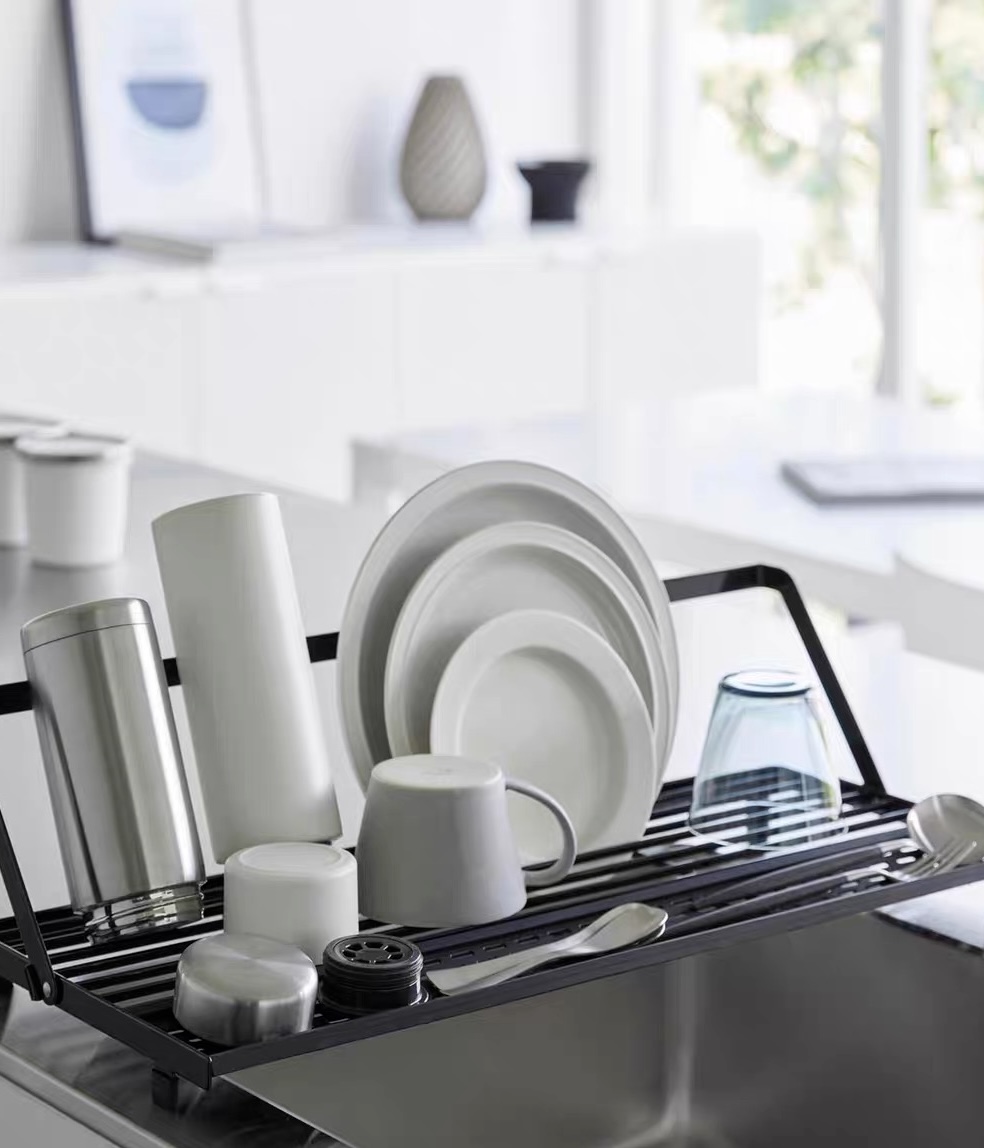
For homeowners who have invested in a sleek, modern kitchen with expansive stone countertops, the visual impact of a permanent dish rack can be a dealbreaker, while a drying mat that disappears into a drawer after use preserves a clean, uncluttered look. Many interior designers advise clients to avoid leaving any small appliances or drying tools on the counter, favoring a "clear everything" approach that makes the kitchen appear larger and more luxurious. A dish rack, no matter how well-designed, occupies a prominent visual spot and inevitably collects a jumble of colorful sponges, scrub brushes, and detergent bottles around it. Even a high-end stainless steel rack can look out of place against a minimalist backdrop of white quartz and glass. A drying mat solves this aesthetic problem because it is meant to be temporary. It can be unrolled only when dishes are washed and put away as soon as they are dry, leaving the counter entirely clear the rest of the day. On the other hand, a mat that is left out permanently because it is used too frequently can look sloppy and become a permanent eyesore. Some high-end drying mats made of quilted fabric in attractive patterns are designed to double as a decorative counter accent, but they still read as a functional necessity rather than a design element. Ultimately, if you host dinner parties and value a pristine kitchen, the drying mat's ability to vanish into a cabinet is a significant advantage.
7. Which One Is Right for Your Household? Practical Scenarios
The final decision comes down to a realistic assessment of your daily dishwashing volume, your available counter space, and your personal tolerance for visual clutter. The following scenarios illustrate typical use cases and the recommended drying solution for each:
- Large family with daily hand-washing: If you hand-wash pots, pans, and multiple place settings after every meal, a large two-tier dish rack with a drip tray is the practical choice. It keeps the workflow efficient and dries everything quickly.
- Single person in a studio apartment: A compact drying mat that can be draped over the sink or a corner of the counter allows you to dry a few items and then roll it up, keeping your limited space available for other tasks.
- Occasional dishwasher user who air-dries delicate items: A small dish rack or a dedicated glass-drying mat near the sink can handle wine glasses, sharp knives, and wooden utensils that should not go in the dishwasher.
- RVers and boat owners: A collapsible dish rack or a non-slip silicone drying mat that can be stored flat is essential in a mobile kitchen where space is extremely tight and everything must be secured during travel.
Frequently Asked Questions About Dish Racks and Drying Mats
Can I use a dish rack and a drying mat together?
Yes, this is a common and highly effective combination. Placing a dish rack on top of a drying mat captures any water that drips through the rack's base, preventing puddles on the countertop. This also allows you to use a smaller mat as an absorbent pad rather than relying on a large drip tray, and the mat can be laundered easily to keep the drying zone hygienic.
How do I prevent mold from growing on my drying mat?
After each use, hang the mat over a towel bar, a shower rod, or the edge of the sink to allow both sides to air-dry completely. At least once a week, launder fabric mats in a washing machine with hot water and a small amount of bleach or vinegar. Silicone mats should be washed in a dishwasher or scrubbed with soap and water, then dried with a towel before storing.
What material of dish rack is the most durable?
Stainless steel with a rust-resistant coating is the longest-lasting material for a dish rack. It resists corrosion, supports heavy pots without bending, and cleans easily. Avoid plastic racks for heavy daily use, as the joints can crack and the plastic can become cloudy and stained over time.
Answering what do you prefer dish rack or drying mat comes down to how you cook, how much you wash by hand, and how you want your kitchen to look and feel. A dish rack is the workhorse that can handle a constant stream of dishes with speed and organization, while a drying mat is the adaptable, space-conscious companion for lighter loads and smaller kitchens. Many people find that keeping both on hand gives them the flexibility to handle any situation, from a holiday dinner party to a quiet breakfast for one.