

 Español
 عربى
عربىYes, most households benefit from a dish drying rack — it keeps your counter organized, protects dishes from scratches, and speeds up your post-meal cleanup routine. That said, whether you need one depends on your kitchen size, dishwasher access, and daily habits. This guide walks you through everything you need to know to make the right call.
What Is a Dish Drying Rack and What Does It Do?
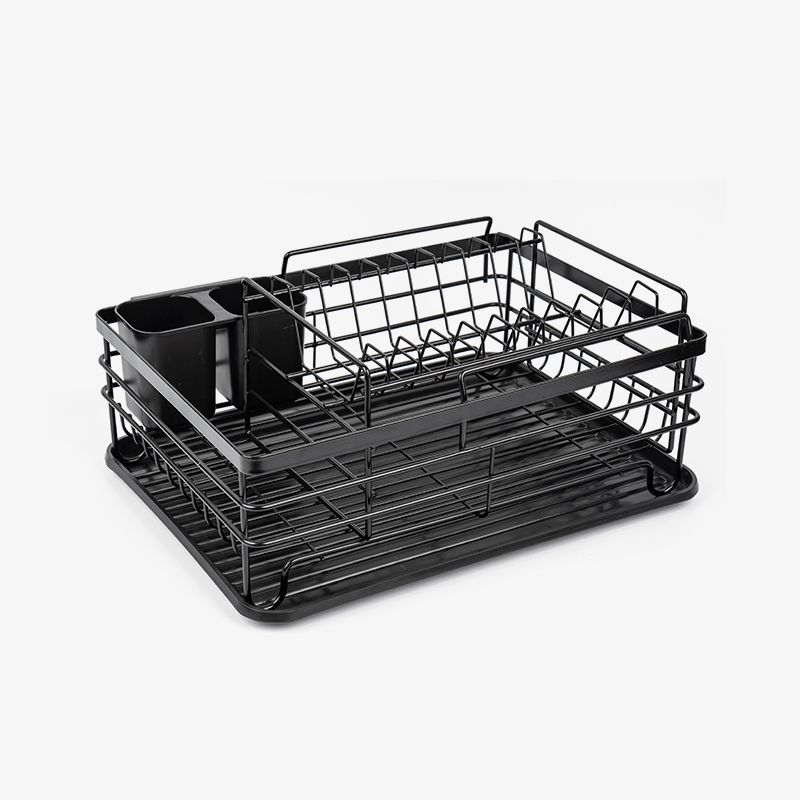
A dish drying rack is a structured holder — typically placed on the kitchen counter beside the sink — designed to hold washed dishes, glasses, pots, and utensils while they air-dry. Most models include a tray to catch dripping water, angled slots for plates, cup holders, and sometimes a utensil caddy.
Beyond drying, a good rack serves as a temporary staging zone between washing and putting dishes away. Without one, dishes often pile up on a folded towel, which stays damp for hours and can harbor bacteria.
Do You Actually Need a Dish Drying Rack?
The short answer is: probably yes, unless you run a dishwasher after every single meal. Here are the most common situations where a dish drying rack makes a clear, practical difference:
- You hand-wash any dishes at all. Even if you own a dishwasher, delicate items like cast iron, wooden cutting boards, wine glasses, and non-stick pans are usually hand-washed. A rack gives them a safe, structured place to dry.
- You live alone or with one other person. Running a full dishwasher cycle for 3–4 dishes is wasteful. A rack lets you hand-wash and move on.
- You want a cleaner, more organized counter. A study by the National Sanitation Foundation found that kitchen sinks and dish towels are among the most bacteria-laden surfaces in the home. A proper drying rack with a drainage tray reduces the chance of standing water and cross-contamination.
- You cook frequently. High-volume cooking means a constant cycle of washing and drying. A rack makes this process faster and safer for your dishware.
When You Might Not Need One
You can likely skip a dish drying rack if your dishwasher handles all your dishes and you have no delicate items to hand-wash. Additionally, if counter space is extremely limited (as in a studio apartment with a galley kitchen), alternatives like over-sink drying mats or cabinet-mounted racks may be more practical.
Types of Dish Drying Racks: Which One Is Right for You?
There are five main types of dish drying racks, each suited to a different kitchen setup and lifestyle. Choosing the right type is just as important as deciding whether you need one at all.
1. Countertop Dish Racks
The most common type. Countertop racks sit beside the sink and typically include a draining tray, plate slots, and a cup section. They range from compact single-tier models to large two-tier units. Best for: most households with at least 18 inches of counter space.
2. Over-the-Sink Dish Racks
These racks extend over the sink so water drips directly into the drain — no drip tray needed. They're ideal for kitchens with minimal counter space. Width is adjustable to fit most standard sinks.
3. Folding or Collapsible Dish Racks
Folding racks fold flat when not in use, making them excellent for small apartments or occasional use. Some models fold in seconds and store in a drawer. Trade-off: they hold fewer items than standard racks.
4. In-Cabinet or Wall-Mounted Dish Racks
Mounted inside a cabinet above the sink or on the wall, these racks let dishes drip directly into the sink and stay permanently out of sight. Very popular in Scandinavian kitchens. Best for: homeowners who want a clean, minimalist counter.
5. Dish Drying Mats
Not technically a rack, but a flat absorbent mat made of microfiber or silicone that replaces a traditional rack. They take up minimal space, are machine-washable, and are soft on delicate items. Downside: they can stay wet and must be air-dried themselves.
Dish Drying Rack Comparison: Which Type Suits You Best?
| Type | Counter Space Needed | Capacity | Best For | Price Range (USD) |
|---|---|---|---|---|
| Countertop Rack | Medium–Large | High | Most families | $15 – $80 |
| Over-the-Sink Rack | None (uses sink space) | Medium | Small kitchens | $25 – $100 |
| Collapsible Rack | Small (when folded) | Low–Medium | Occasional use, travel | $10 – $40 |
| Cabinet / Wall-Mounted | None | Medium | Minimalist kitchens | $30 – $120 |
| Dish Drying Mat | Small | Low | Delicate items, light use | $8 – $30 |
Table 1: Comparison of dish drying rack types by space requirements, capacity, use case, and estimated price range.
Dish Drying Rack vs. Dish Towel: Which Is Better?
A dish drying rack is more hygienic and more practical than a dish towel for everyday drying. Here is why:
- Hygiene: A damp dish towel is one of the highest-risk items in a kitchen for bacterial growth, including E. coli and Salmonella. A rack allows air circulation and does not stay wet.
- Efficiency: Laying dishes on a towel is a slow, manual process. A rack lets you place everything at once and walk away.
- Dish safety: Stacking dishes on a towel can lead to chipping or tipping. A rack holds each item securely in its own slot.
- Cost: A quality rack is a one-time purchase of $20–$60 that lasts for years. Replacing worn dish towels adds up over time.
The only clear advantage of a dish towel is that it takes up zero permanent counter space. For those with very small kitchens, a dish drying mat offers a middle ground — it lies flat and can be rolled up when dry.
Dish Drying Rack vs. Dishwasher: Do You Need Both?
Yes — even dishwasher owners benefit from having a dish drying rack, because dishwashers cannot safely clean everything.
The following items should never go in a dishwasher:
- Cast iron and carbon steel cookware
- Wooden cutting boards, spoons, and utensils
- Non-stick pans (heat degrades the coating over time)
- Crystal and hand-blown glassware
- Copper and aluminum cookware
- Knives with wooden handles
All of these items require hand-washing — and after hand-washing, they need somewhere to dry. A dish drying rack fills that gap for even the most dishwasher-reliant households.
| Item | Dishwasher Safe? | Rack Needed? |
|---|---|---|
| Everyday ceramic plates | Yes | Optional |
| Cast iron pan | No | Yes |
| Crystal wine glasses | No | Yes |
| Wooden cutting board | No | Yes |
| Non-stick skillet | Not recommended | Yes |
| Plastic containers | Most are safe | Optional |
Table 2: Common kitchen items, dishwasher safety, and whether a dish drying rack is needed for proper drying.
What to Look for When Choosing a Dish Drying Rack
The best dish drying rack for your kitchen balances capacity, drainage quality, material durability, and ease of cleaning. Here are the key factors to evaluate:
Material
Stainless steel racks are the most durable and rust-resistant option. Coated steel or chrome racks are affordable but prone to rust over time, especially near the drainage holes. Plastic racks are lightweight and affordable, but may stain and harbor mildew in crevices. For longevity, 304 stainless steel is the gold standard.
Drainage System
A well-designed drainage tray has a raised channel that directs water to one corner, where a spout or tube drains directly into the sink. Flat trays collect standing water, which can become a breeding ground for mold within 24–48 hours.
Capacity
Count how many plates, bowls, cups, and utensils you wash in a typical session. A single person or couple needs a rack that holds 6–8 plates comfortably. A family of four should look for a two-tier rack or a wide single-tier model capable of holding 10–12 plates.
Footprint and Size
Measure your available counter space before purchasing. A rack that is too wide will crowd the sink; one that is too narrow will not hold a full load. Most standard countertop racks measure between 14 and 20 inches wide.
Ease of Cleaning
A dish rack that is hard to clean will itself become a source of mold and bacteria. Look for smooth, open wire frames with no enclosed plastic joints, removable utensil caddies, and trays that can be washed in the sink or dishwasher.
How to Keep a Dish Drying Rack Clean and Mold-Free
A dish rack needs to be cleaned at least once a week to prevent mold, soap scum, and mineral deposits. Here is a simple maintenance routine:
- Daily: Empty the drip tray and rinse it out. Never let water sit in the tray overnight.
- Weekly: Remove all components and scrub with warm soapy water and a brush. Rinse thoroughly and allow to air-dry completely before reassembling.
- Monthly: Soak stainless steel racks in a mixture of equal parts white vinegar and water for 30 minutes to dissolve mineral buildup and disinfect without harsh chemicals.
Racks with tight plastic joints, rubber feet, or enclosed compartments are harder to clean and should be inspected monthly for hidden mold growth.
Frequently Asked Questions
Is a dish drying rack worth it if I have a dishwasher?
Yes. Even with a dishwasher, you will inevitably hand-wash certain items. A dish drying rack provides a safe, hygienic place for those items to dry without cluttering the counter or requiring a separate drying towel.
Can I leave dishes in the rack all day?
It is best to put dishes away within a few hours once they are dry. Leaving dishes in the rack indefinitely can lead to dust accumulation and, in humid environments, residual moisture that may encourage mold growth in the rack itself.
What is the most hygienic type of dish drying rack?
Stainless steel racks with an angled drip tray that drains directly into the sink are the most hygienic option. They do not absorb water, resist rust, and can be fully sanitized. Avoid racks with rubber-coated wire in poor condition, as cracks in the coating trap bacteria.
How long does a good dish drying rack last?
A quality stainless steel dish drying rack can last 5–10 years with proper care. Budget plastic or chrome racks typically last 1–3 years before showing rust, warping, or cracking.
What is the alternative to a dish drying rack for small kitchens?
The best alternatives include over-the-sink racks (which use zero counter space), wall-mounted or cabinet-mounted racks (hidden when not in use), and dish drying mats (which fold flat in a drawer). Each trades some capacity or convenience for a smaller footprint.
Should the dish drying rack be placed to the left or right of the sink?
Place it on the dominant hand side for most people — typically to the right. This makes it easier to move dishes from the wash basin directly into the rack. If counter space is uneven, prioritize placing it where water access and drainage are most efficient.
Do dish drying racks cause counter damage?
They can if the drip tray overflows or is poorly sealed against the counter. Place a rubber mat or silicone pad beneath the rack to protect surfaces, and empty the tray before it reaches capacity. Prolonged moisture trapped between a tray and a wooden or laminate counter can cause warping and staining.
Final Verdict: Do You Need a Dish Drying Rack?
For the vast majority of households, yes — a dish drying rack is a practical, hygienic, and cost-effective kitchen essential. It reduces bacterial risk compared to dish towels, protects dishware that cannot go in the dishwasher, and keeps your counter organized. The investment is low — quality racks start at around $20 — and the benefit to your daily kitchen routine is immediate.
Choose based on your space constraints: a countertop rack for most kitchens, an over-the-sink model for small apartments, or a wall-mounted rack if you want a clean, clutter-free counter at all times. Whichever you choose, prioritize good drainage, rust-resistant materials, and ease of cleaning — those three factors make the biggest difference in long-term satisfaction and hygiene.