

 Español
 عربى
عربىContent
The best choice depends on your specific needs: a wall-mounted home storage rack is superior for saving floor space and permanent organization, while a freestanding home storage rack is better for heavy-duty items and renters who require mobility. Deciding between these two popular storage solutions requires an evaluation of your room dimensions, the weight of your belongings, and whether you prefer a permanent fixture or a flexible furniture piece.
Understanding the Wall-Mounted Home Storage Rack
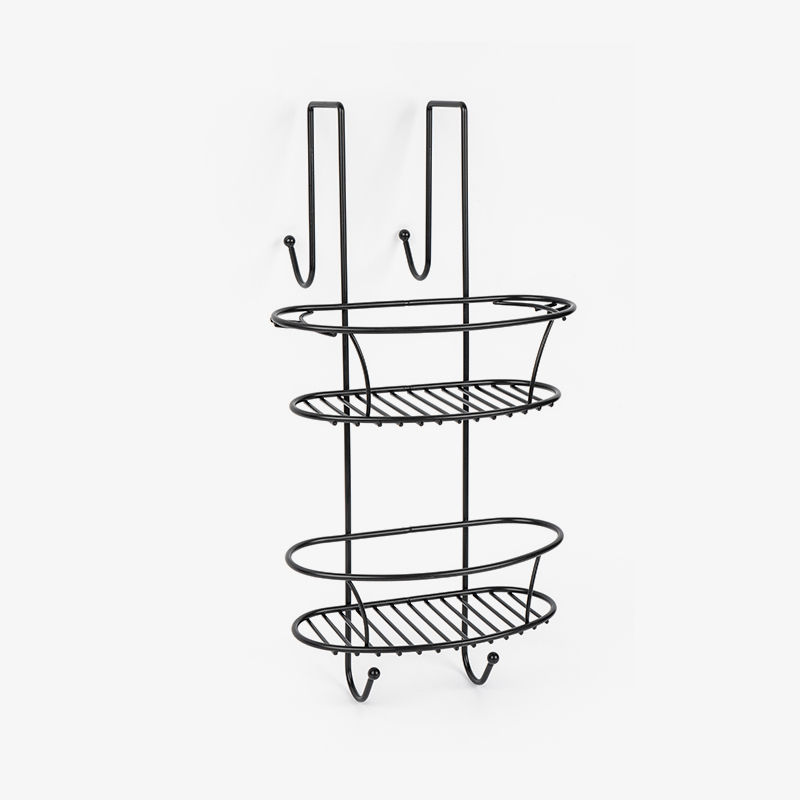
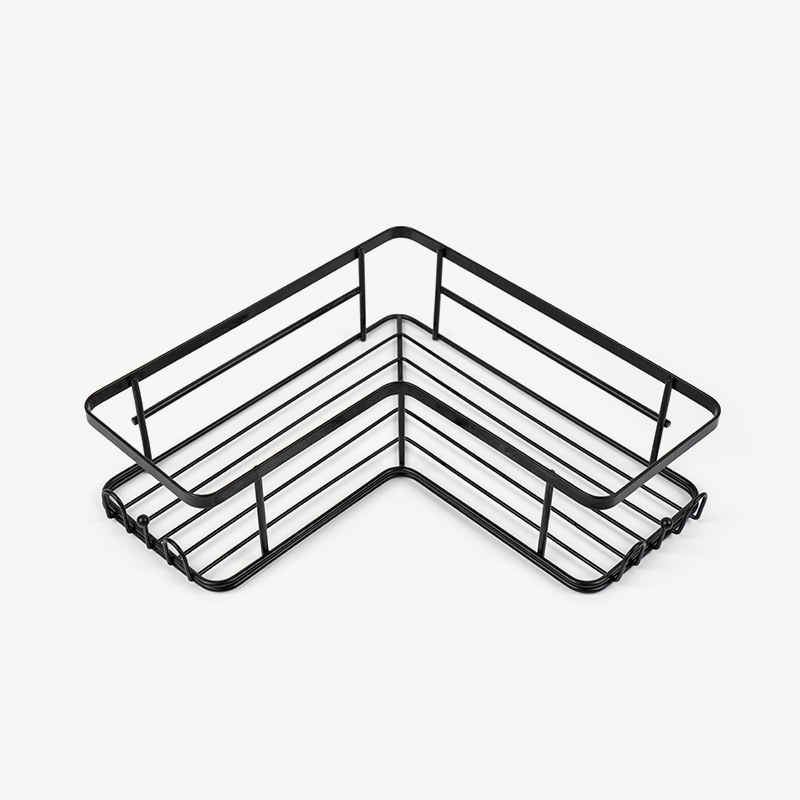
Wall-mounted storage racks maximize vertical space and keep your floors completely clear. These systems are bolted directly into wall studs or masonry, providing a sleek, modern look that integrates seamlessly into the architecture of a room.
When you choose a wall-mounted storage system, you are prioritizing the "floating" aesthetic. This is particularly beneficial in small apartments, narrow hallways, or laundry rooms where every square inch of floor space is vital for movement. Because they are elevated, they also make cleaning much easier, as there are no legs or bases to vacuum around.
Key Advantages of Wall-Mounted Systems
- Space Efficiency: They utilize high-wall areas that otherwise go to waste.
- Customizable Height: You can install them at exactly the height you need to keep items out of reach of children or pets.
- Modern Aesthetics: They offer a minimalist, "built-in" appearance.
The Power of the Freestanding Home Storage Rack
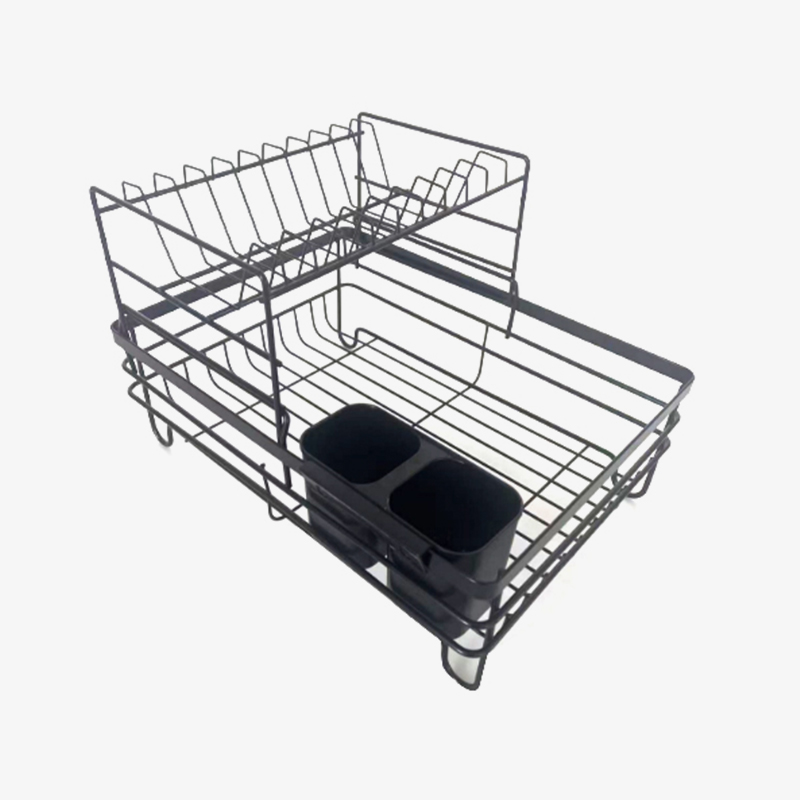
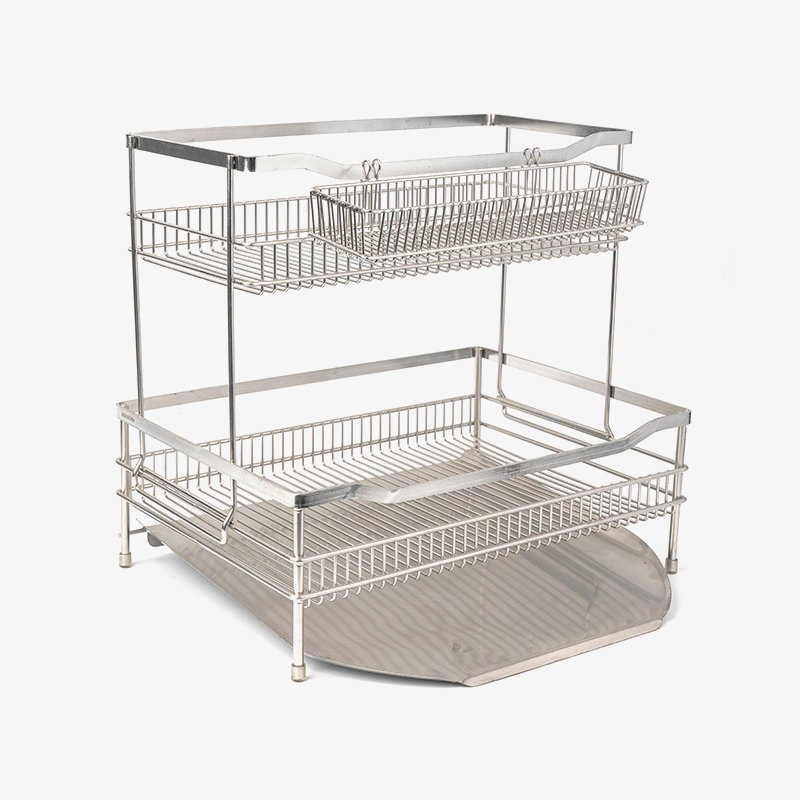
Freestanding home storage racks offer unmatched weight capacity and the flexibility to be moved whenever you choose to redecorate. These units stand on their own feet or casters and do not require any drilling into your walls, making them the ideal choice for renters or temporary storage needs.
The primary draw of a freestanding rack is its "plug-and-play" nature. Whether it is a wire shelving unit for the pantry or a heavy-duty steel rack for the garage, these units can hold hundreds of pounds without the risk of pulling out of the drywall. If you decide to move your home office to a different room, your storage can simply follow you.
Key Advantages of Freestanding Systems
- Ease of Installation: Most require only basic assembly without power tools.
- High Load Capacity: Gravity works with these units, allowing them to support much heavier bulk items.
- Portability: Many models come with wheels (casters) for effortless relocation.
Direct Comparison: Wall-Mounted vs Freestanding
The most significant difference lies in the balance between structural stability and spatial flexibility. While one integrates into the building, the other remains an independent asset.
| Feature | Wall-Mounted Rack | Freestanding Rack |
|---|---|---|
| Installation | Requires drilling and stud-finding. | Simple assembly, no wall damage. |
| Floor Space | 100% Floor clearance. | Occupies a specific footprint. |
| Weight Limit | Limited by wall strength/anchors. | Generally much higher capacity. |
| Mobility | Permanent/Hard to move. | Highly mobile/Portable. |
| Best For | Small rooms, aesthetics, decor. | Garages, pantries, heavy storage. |
Factors to Consider Before Buying
1. Wall Integrity and Type
Wall-mounted storage is only as strong as the wall it is attached to. If you live in an older home with plaster walls or have thin drywall without accessible studs, installing a heavy storage rack can be dangerous. Always ensure you are using a stud finder or appropriate masonry anchors.
2. Accessibility and Ergonomics
Freestanding racks usually offer easier access to all shelves, whereas wall racks might be mounted too high for daily use. If you are storing items you use every day, a freestanding unit at waist height is often more ergonomic. Conversely, for seasonal items, a wall rack near the ceiling is the perfect "out of sight, out of mind" solution.
3. Rental Agreements
Most landlords prefer freestanding storage because it leaves no trace when the tenant vacates. If you are renting, drilling holes for a wall-mounted home storage rack could result in a deduction from your security deposit unless you are prepared to patch and paint the walls afterward.
Maintenance and Longevity
Freestanding units generally require less maintenance over time as they do not put stress on the home's structure. However, wall-mounted racks should be inspected annually to ensure the bolts haven't loosened due to vibrations or humidity-related expansion of the wood studs.
Conclusion: Making Your Decision
The winner depends on your lifestyle: Choose the wall-mounted rack if you want a permanent, stylish, and space-saving solution for light to medium items. Choose the freestanding rack if you need high-capacity storage that can grow and move with your household. Both options are effective, but identifying your priority—be it floor space or weight capacity—is the key to a clutter-free home.
Frequently Asked Questions (FAQ)
Q: Can I install a wall-mounted rack on drywall alone?
A: It is highly discouraged for heavy items. Always aim for the studs. If no studs are available, use heavy-duty toggle bolts, but stay well below the maximum weight capacity to avoid structural failure.
Q: Are freestanding racks safe for homes with children?
A: Yes, but only if they are properly anchored. Even though they are "freestanding," tall units should be secured to the wall with a small anti-tip strap to prevent accidents if a child tries to climb the shelves.
Q: Which is cheaper to buy?
A: Generally, freestanding wire racks are more cost-effective for the volume of storage they provide. Wall-mounted systems often carry a premium due to the specialized hardware and aesthetics involved.
Q: Can a freestanding rack be converted to a wall-mounted one?
A: Not usually. The engineering for weight distribution is completely different. It is safer to buy a unit specifically designed for its intended mounting method.