

 Español
 عربى
عربىContent
- 1 Quick Answer: Yes—But It Depends on the Material
- 2 Why Your Dish Rack Needs a Deep Clean in the First Place
- 3 Dishwasher-Safe Materials: What You Can Put In
- 4 Materials to Keep Out of the Dishwasher
- 5 How to Load Your Dish Rack Into the Dishwasher
- 6 Step-by-Step: Cleaning Your Dish Rack in the Dishwasher
- 7 What If My Dish Rack Can't Go in the Dishwasher? Manual Cleaning Guide
- 8 Choosing a Dish Rack That's Easy to Clean
- 9 Final Verdict: To Dishwasher or Not to Dishwasher?
Quick Answer: Yes—But It Depends on the Material
If you are staring at a grimy dish drying rack and wondering if you can toss it into the dishwasher for a quick refresh, the short answer is: probably yes, but only if it is made of the right stuff. Most metal and plastic-coated racks can handle a cycle, but wooden, bamboo, and certain uncoated carbon steel racks cannot. The fastest way to know for sure is to check the bottom of your rack or the original packaging. Look for a clear "dishwasher safe" label. If you no longer have the label or it has worn off, do not worry—the material itself will tell you everything you need to know. Even when the main body is safe, keep an eye on detachable parts like plastic rubber feet or silicone grips. Those often need to be removed and washed by hand to prevent warping.
Why Your Dish Rack Needs a Deep Clean in the First Place
It feels counterintuitive because a dish rack only holds clean dishes. The problem is the environment. Your rack sits in a constant cycle of moisture, soap residue, and stagnant air. Over time, this creates an ideal breeding ground for mold, mildew, and bacteria that you cannot always see. Even the mineral build-up from hard water can trap grime in the welded joints and corners. A simple rinse will not cut it. The high heat and prolonged water pressure of a dishwasher cycle—typically reaching between 50°C and 70°C—provides a deep sanitization that hand-washing struggles to replicate. It effectively reaches the crevices where a sponge cannot, helping to kill the microorganisms that thrive in a damp kitchen.
Dishwasher-Safe Materials: What You Can Put In
304 Stainless Steel Racks
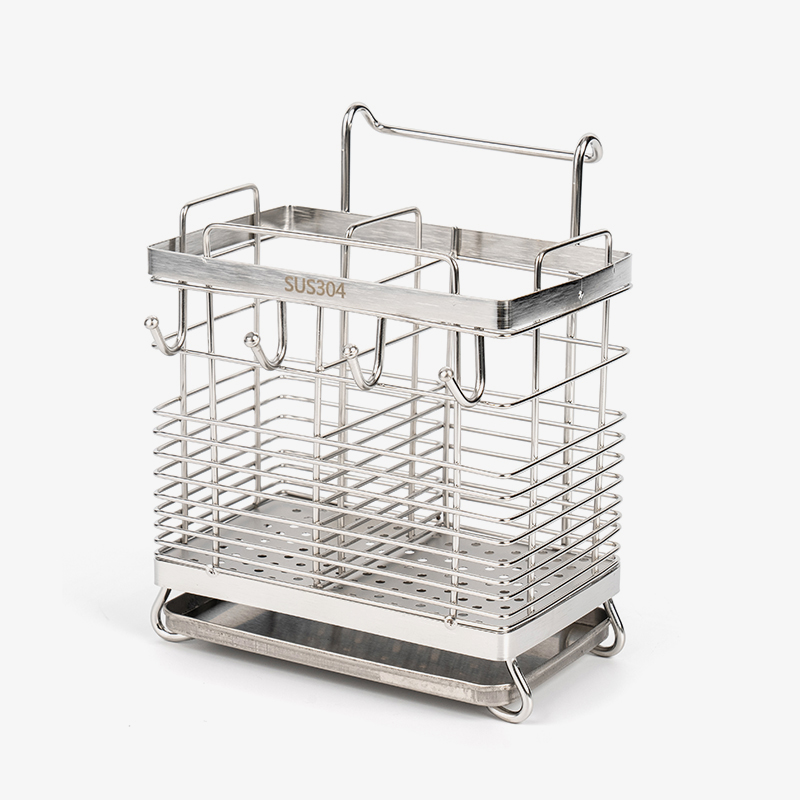
If you want a straightforward cleaning experience, a 304 stainless steel rack is your best friend. This grade of steel is exceptionally resistant to corrosion and heat, meaning it will not rust, pit, or warp under the intense conditions inside your dishwasher. You can place it on the top or bottom rack without worrying about the heating element causing damage. The non-porous surface also does not absorb odors or stains. This material truly sets the standard for low-maintenance kitchen tools. To ensure you are getting the best benefits, simply confirm that any plastic end caps or utensil cups are genuinely dishwasher-safe and secured before starting the cycle. Choosing durable materials simplifies maintenance significantly, which is why many kitchen designers specifically source stainless steel dish drain rack models for their longevity.
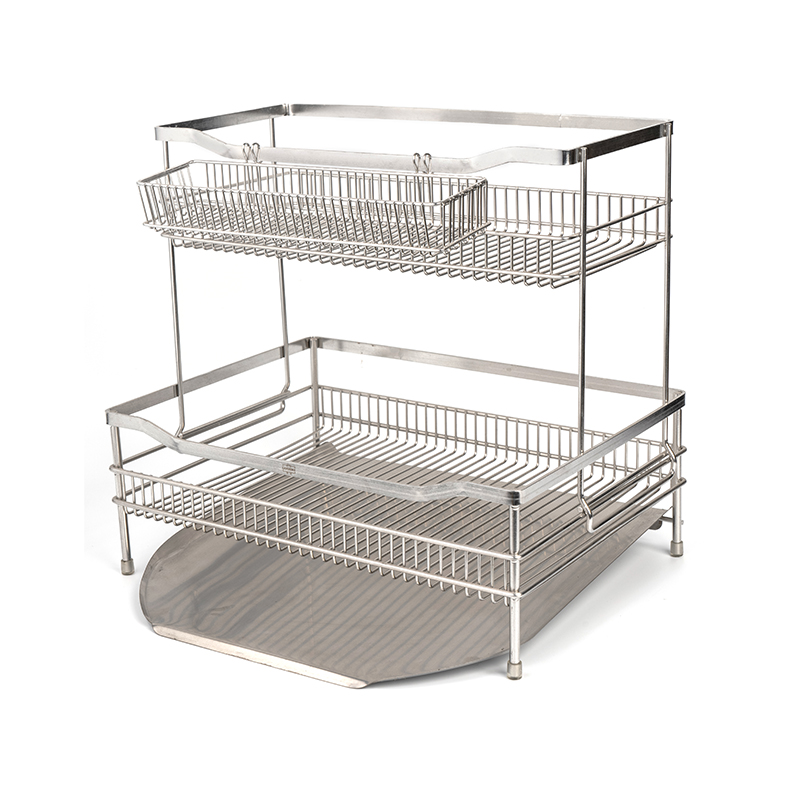 Wholesale Stainless Steel Double Layer Dish Drying Rack with Drainboard ManufactYuyao City Chengze Technology Co., Ltd is China OEM/ODM Stainless Steel Double Layer Dish Drying Rack with Drainboard manufacturers and S...View Product →
Plastic-Coated or Epoxy-Coated Metal Racks
Coated metal racks generally fall into the safe category, but they require a bit more caution. The plastic or epoxy coating protects the internal metal from rust. However, consistent exposure to the high heat of a drying cycle can eventually crack or peel that coating off. Once a crack forms, water seeps in, and the internal metal begins to rust underneath the plastic shell. The best practice is to place these racks strictly on the top rack, as far from the direct blast of the bottom heating element as possible. If you must wash them frequently, skip the heated drying cycle and let the rack air dry instead. This simple adjustment can double the lifespan of the coating.
Carbon Steel Racks
This is where many people get tripped up. Carbon steel looks similar to stainless steel but behaves very differently in a wet environment. Carbon steel is incredibly strong but lacks the high chromium content that gives stainless steel its rust-proof properties. In a dishwasher, the combination of hot water, humidity, and aggressive detergents will strip away protective oils or coatings, leading to flash rust almost immediately. Unless your carbon steel dish rack has a very specific, high-quality sealed finish and the manufacturer has explicitly labeled it as dishwasher-safe, keep it out of the dishwasher. The risk of permanent rust stains on both the rack and your dishwasher tub is not worth the convenience. A manual wash is the only safe route for unlabeled carbon steel.
Materials to Keep Out of the Dishwasher
Wood and Bamboo Racks
Wood and bamboo should never see the inside of a dishwasher. These are organic, porous materials that rely on their natural oils and glues to stay together. Under the prolonged scalding heat and water pressure, those binding agents break down rapidly. You will quickly notice the wood fibers swelling, the joints loosening, and the surface finish clouding over. Once the water evaporates, the wood shrinks and cracks. Even worse, the absorbed moisture feeds deep-seated mold colonies that you cannot wipe away from the surface. If you already own a wooden rack, treat it like a good cutting board—hand wash, immediate dry, and occasional oiling—to keep it hygienic.
Racks with Non-Removable Rubber or Silicone Parts
Those soft silicone mitts or rubber feet on the metal wires feel nice on your countertop, but they react poorly to dishwashers. Rubber tends to harden and lose its grip after repeated high-heat cycles, while cheap silicone can absorb potent detergents and transfer a soapy smell or taste to other dishes. If these parts are fused to the metal and cannot be pulled off, you have to wash the entire rack by hand. The temporary clean is not worth the permanent degradation of the safety pads. Even on an otherwise fully stainless steel structure, non-removable soft grips make the unit a hand-wash item.
How to Load Your Dish Rack Into the Dishwasher
Placement is everything for a thorough clean. Start by breaking the rack down into its smallest possible components. Remove the utensil holders, the drainboard, and any clips. Lay the base frame upside down on the top rack. Positioning it upside down prevents water from pooling in the rungs. Secure any lightweight plastic trays or small parts in the corners so the water jets do not blast them onto the heating element below. A useful trick is to place a mesh bag over the smallest loose parts or wedge them under the rack's own wireframe. This keeps everything stationary. Once loaded, select a standard wash cycle with a heated dry option only if the parts are stainless steel; if there is any doubt, stick to a cooler dry.
Step-by-Step: Cleaning Your Dish Rack in the Dishwasher
- Disassemble aggressively. Take off every foot, drip tray, cup holder, and caddy. If it snaps off, remove it.
- Do a quick pre-rinse. Blast the rack with a spray of water in the sink to dislodge any floating debris or loose food crumbs.
- Load the top rack. Secure the large frame upside down. Place plastic or coated parts away from the center heating zone.
- Select your cycle. Use a normal cycle. Avoid the 'heavy' or 'pots and pans' setting if your rack has any coated parts, as the extreme heat can cause blistering.
- Immediate unload and dry. Do not let the rack sit in a steamy machine post-cycle. Pop the door open, remove the rack, and towel-dry any crevices immediately.
- Inspect the seals. Before reassembling, look at the rubber feet or welds for any new cracks or rust spots that need attention.
What If My Dish Rack Can't Go in the Dishwasher? Manual Cleaning Guide
If your rack is carbon steel, wood, or has rubber parts that cannot be detached, a weekly deep-clean routine is essential. Fill your sink with hot water and a few drops of grease-cutting dish soap. Use a stiff-bristled nylon brush—not steel wool, which can scratch protective coatings—and scrub the joints where the wires intersect. These connection points harbor the most black mold and sludge. For hard water stains or white calcium deposits, soak a cloth in white vinegar and wrap it around the affected area for fifteen minutes before scrubbing. To treat a musty smell on a wooden rack, sprinkle baking soda over the wet surface and scrub gently along the grain. After washing, the most critical step is the dry. Lean all parts vertically against a wall so air can circulate from all angles. A rack left laying flat on a towel will stay damp on the bottom side, restarting the mold cycle overnight. When you start to think about replacing it, consider how much easier a rust-resistant material could make your routine; it often helps to look at the advantages of stainless steel bowl racks to understand the long-term value.
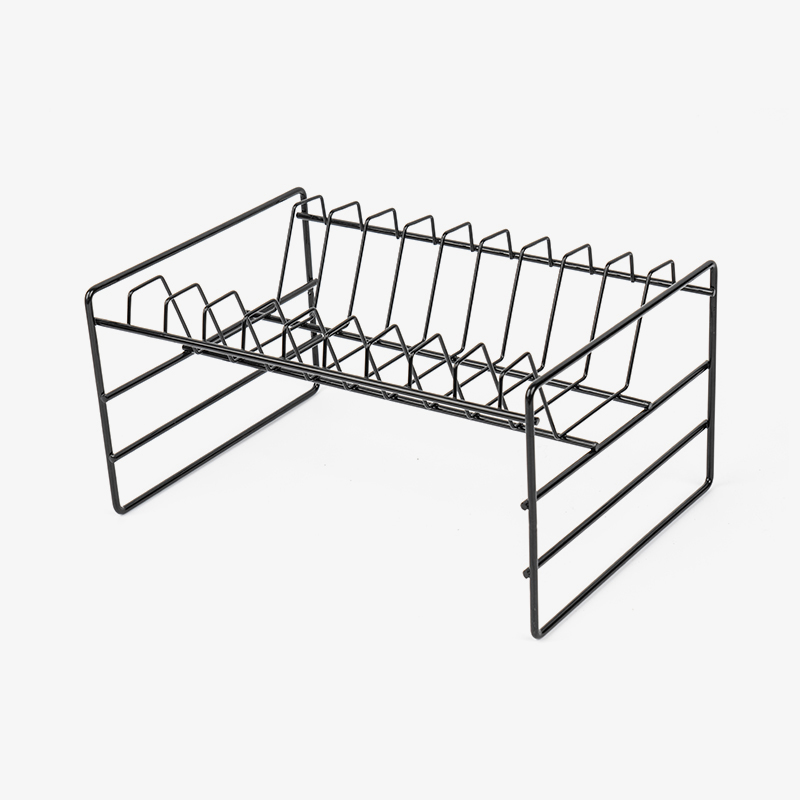 What are the advantages of stainless steel bowl racks compared with other materi1. Material advantagesThe chromium oxide protective film formed on the surface of stainless steel bowl racks can effectively resist the e...View Product →
Choosing a Dish Rack That's Easy to Clean
If the constant scrubbing feels like a losing battle, think critically about the construction of your next purchase. Your goal is to minimize water traps. Look for a frame where the tray slots snap off cleanly without requiring tools. Avoid hollow tubing with open ends where water can seep inside and grow bacteria invisible to the eye. Think about the finish: a brushed nickel or electropolished surface will resist water spots and bacterial adhesion far better than a rough, painted surface. Investing in high-quality steel simplifies life significantly. If you evaluate the underlying structures, you will quickly see kitchen drain rack designs with sensible drainage angles. The initial choice of metal dictates your maintenance experience, which is why materials science plays such a big role in manufacturing.
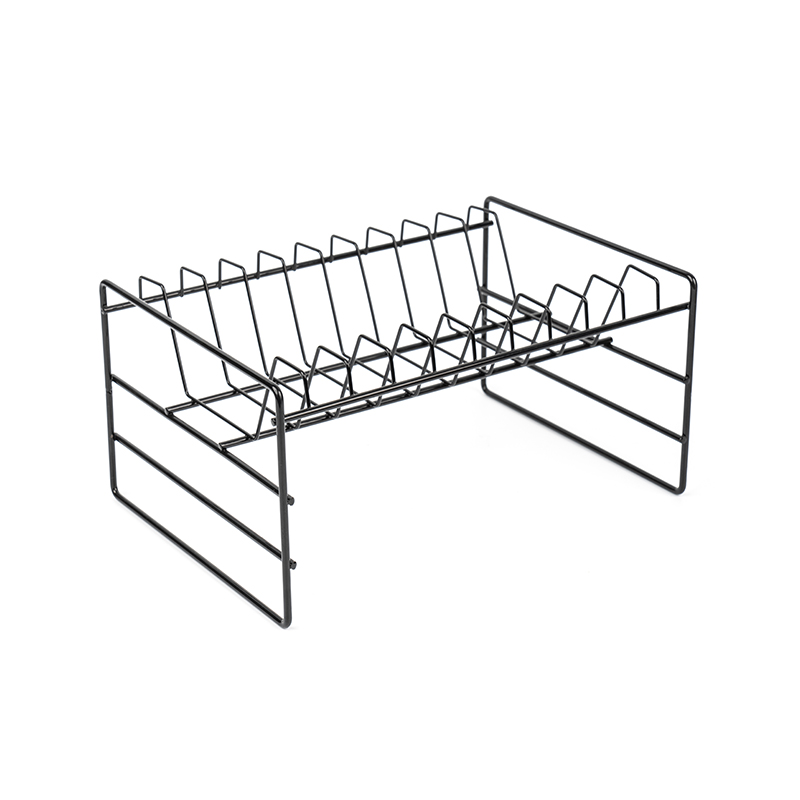 Wholesale Black Multifunctional Sink Storage Rack for Utensils Manufacturer, FacYuyao City Chengze Technology Co., Ltd is China OEM/ODM Black Multifunctional Sink Storage Rack for Utensils manufacturers and Black Mult...View Product →
Final Verdict: To Dishwasher or Not to Dishwasher?
Getting your rack clean depends on removing all guesswork. You can summarize the entire decision in a three-step test. First, look for a clear manufacturer's label. If that is missing, identify the base material—if it is 304 stainless steel, it goes in; if it is untreated carbon steel, wood, or bamboo, it stays out. Second, scan for soft parts. If the rubber or plastic feet do not budge, keep the whole unit away from the heat. Third, if anything about the construction feels uncertain or flimsy, default to a sink soak. There is no universal rule for every product ever made, but there is a clear hierarchy of materials. Applying a small amount of material knowledge before running a cycle preserves the tool that preserves your clean dishes.