

 Español
 عربى
عربىYes, you can put most dish drying racks in the dishwasher, but only if the rack is made from dishwasher-safe materials such as stainless steel, certain coated metals, or heat-resistant plastic — wooden, bamboo, or rubber-coated racks should never go in the dishwasher, since high heat and prolonged moisture exposure can warp, crack, or degrade these materials permanently. Before tossing your dish rack into a dishwasher cycle, it's worth checking the material, coating, and manufacturer guidance, since the wrong combination can shorten the rack's lifespan or even create new cleaning headaches like rust or mold growth in places you didn't expect.
Which Dish Rack Materials Are Actually Dishwasher Safe?
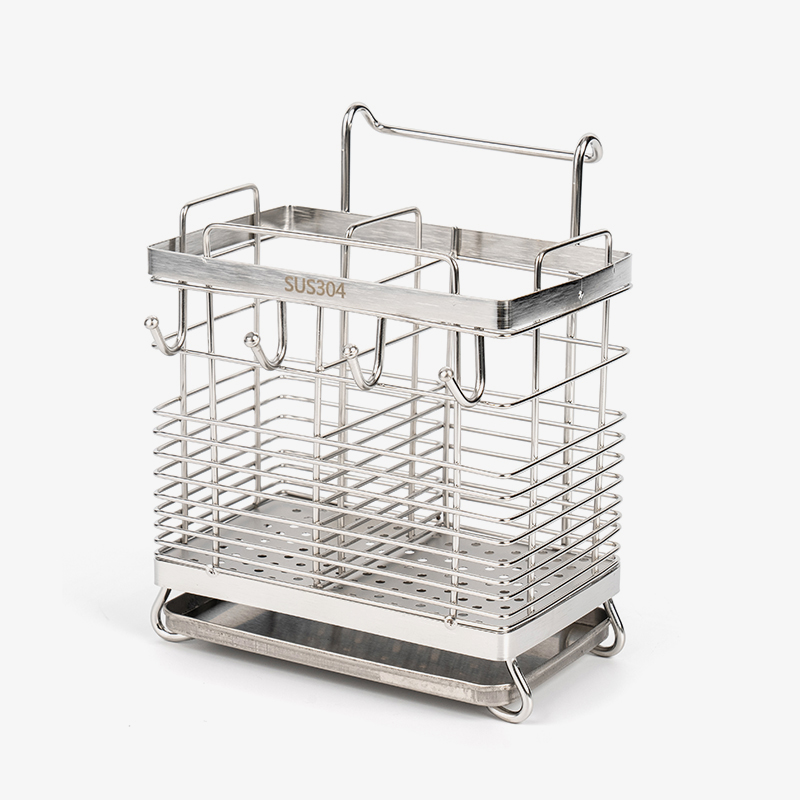
Stainless steel and certain heat-resistant plastics (such as polypropylene) are generally safe to clean in a dishwasher, while wood, bamboo, rubber-coated wire, and low-grade chrome-plated racks are not, since they react poorly to sustained high heat, water pressure, and detergent chemicals. The dishwasher's internal environment is considerably harsher than typical hand-washing: most residential dishwashers run a wash cycle between 49°C and 66°C (120°F to 150°F), and many models include a high-heat sanitizing rinse that can reach even higher temperatures briefly.
| Rack Material | Dishwasher Safe? | Main Risk if Washed |
| Stainless steel (uncoated) | Yes | Minimal — very durable under heat and moisture |
| Heat-resistant plastic (polypropylene) | Usually yes | Possible warping if placed too close to heating element |
| Chrome-plated wire | Sometimes, with caution | Plating can chip or peel over repeated cycles, exposing metal to rust |
| Rubber-coated wire | No | Rubber coating can crack, peel, or melt under heat |
| Bamboo or wood | No | Warping, cracking, and mold growth from trapped moisture |
| Silicone | Yes | Minimal — highly heat tolerant |
Caption: Common dish drying rack materials, their dishwasher safety status, and the main risk associated with washing each type.
Why Wooden and Bamboo Dish Racks Should Never Go in the Dishwasher
Wood and bamboo dish racks absorb water during the wash cycle, and the combination of repeated soaking and dishwasher heat causes the wood fibers to expand and contract unevenly, leading to warping, cracking, and splitting that is permanent and irreversible. Unlike sealed countertop wood surfaces, dish rack wood is in near-constant contact with water during normal use, and dishwasher exposure accelerates this moisture damage far beyond what the material was designed to tolerate.
Beyond structural damage, trapped moisture inside a wood or bamboo rack creates ideal conditions for mold and mildew growth, since organic wood material combined with sustained dampness is a textbook environment for fungal growth. Guidance from university extension programs on food safety and kitchen hygiene consistently notes that porous materials like untreated wood are harder to fully sanitize than nonporous materials such as stainless steel or plastic, precisely because moisture and food residue can penetrate below the visible surface.
How to Check If Your Specific Dish Rack Is Dishwasher Safe
The most reliable way to confirm whether your dish rack can go in the dishwasher is to check the manufacturer's care label, packaging, or product documentation, since material composition and coatings can vary significantly even among racks that look similar at a glance.
- Look for a dishwasher-safe icon — Many manufacturers print a small dishwasher-safe symbol (often a stylized dish rack icon with water droplets) directly on the product or its packaging.
- Check the product description or manual — If the physical item lacks a printed symbol, the original packaging, retailer listing, or printed manual often specifies care instructions.
- Inspect for coatings or finishes — A rack that looks metal but has a colored or rubberized coating may not tolerate dishwasher heat as well as bare stainless steel, even if the base material underneath is metal.
- When in doubt, hand wash — If you cannot confirm the material or find any care guidance, hand washing with warm water and mild dish soap is always a safe fallback that avoids any risk of damage.
Best Practices for Washing a Dish Rack in the Dishwasher
Even dishwasher-safe dish racks last longer and clean more effectively when placed correctly, away from the heating element, and washed on a normal rather than intense sanitizing cycle.
Placement Inside the Dishwasher
Place the dish rack on the bottom rack of the dishwasher, positioned away from the heating element typically located at the back or bottom of the unit, since direct proximity to this element is the most common cause of plastic warping even in materials rated as heat resistant. If the rack is large, it may need to be washed alone or alongside only a few other items to avoid blocking spray arms and reducing overall wash effectiveness.
Choosing the Right Cycle
A normal or eco wash cycle is generally preferable to a high-heat sanitizing cycle for dish racks, since sanitizing cycles often run at the upper end of the dishwasher's temperature range specifically to kill bacteria on dishware, which is unnecessarily harsh for a rack that primarily needs grime, soap scum, and mineral deposit removal rather than full sanitization.
Removing Mineral Buildup Before Washing
Pre-soaking a heavily soiled rack in a solution of warm water and white vinegar for 15 to 30 minutes before placing it in the dishwasher helps dissolve hard water mineral deposits and soap scum, allowing the dishwasher cycle to finish the job more effectively rather than struggling to remove caked-on residue in a single pass.
Dishwasher Cleaning vs. Hand Washing a Dish Rack: A Direct Comparison
Dishwasher cleaning is generally faster and more thorough for dishwasher-safe racks, but hand washing offers more control and is the only safe option for materials that cannot tolerate dishwasher heat and moisture exposure.
| Factor | Dishwasher Cleaning | Hand Washing |
| Time required | Low (passive, runs during normal cycle) | Higher (active scrubbing required) |
| Effectiveness on mineral buildup | Good, especially with pre-soak | Good, with targeted scrubbing in corners |
| Material safety | Limited to dishwasher-safe materials only | Safe for all materials, including wood and rubber |
| Risk of damage | Moderate if material is unsuitable | Low, provided gentle cleaning tools are used |
| Sanitization level | Higher, especially on sanitizing cycle | Lower unless hot water and disinfectant are used |
Caption: Comparison of dishwasher cleaning and hand washing for dish drying racks across time, effectiveness, safety, and sanitization.
Why Dish Racks Get Dirty Faster Than You Might Expect
Dish racks accumulate hard water mineral deposits, soap scum, and biofilm faster than most other kitchen items because they are almost constantly damp, providing an ongoing environment for residue buildup between uses rather than just during active dishwashing.
Research and guidance from food safety microbiologists studying kitchen hygiene have repeatedly identified frequently damp surfaces — including dish racks, sponges, and sink areas — as among the highest-bacteria-count zones in a typical home kitchen, often exceeding bacteria levels found on surfaces like bathroom counters. This is part of why regular dish rack cleaning, whether by dishwasher or hand washing, is not just about appearance but plays a meaningful role in overall kitchen hygiene.
How to Extend the Lifespan of Any Dish Drying Rack
Regardless of material, a dish rack lasts longest when it is dried thoroughly between uses, cleaned on a consistent schedule, and protected from prolonged exposure to hard water minerals and standing moisture — three habits that address the root causes of most premature rack failures.
Managing Hard Water Mineral Buildup
Households with hard water see noticeably faster mineral deposit accumulation on dish racks, since dissolved calcium and magnesium left behind as water evaporates gradually forms a chalky white residue on metal wires and plastic surfaces alike. Wiping the rack dry after each use, rather than letting water air-dry and evaporate in place, significantly slows this mineral buildup and reduces how often a deep clean — whether by dishwasher or a vinegar soak — is actually needed.
Addressing Standing Water in Drip Trays
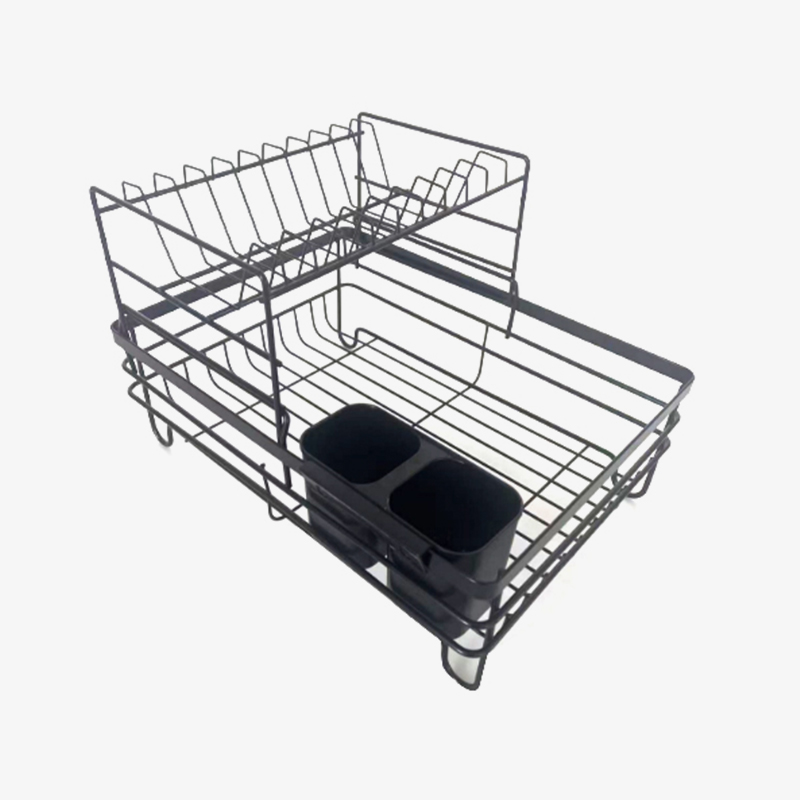
Many dish racks include a removable drip tray beneath the main rack to catch runoff water, and this tray is often the most neglected component during cleaning, since it sits underneath the rack and out of immediate sight. Standing water left in a drip tray for extended periods is one of the most common sources of musty odors and mold growth in an otherwise clean-looking dish rack setup, so emptying and drying the tray separately — even if the rack itself is dishwasher safe — is a worthwhile habit.
Seasonal and Climate Considerations
Humid climates and seasons accelerate both mold growth and mineral deposit formation on dish racks, since higher ambient humidity slows evaporation and keeps surfaces damp for longer after each wash cycle. Households in consistently humid regions may benefit from cleaning their dish rack on a more frequent schedule than the general weekly guideline, along with improving kitchen ventilation near the rack's location to help surfaces dry more quickly between uses.
Frequently Asked Questions About Washing Dish Racks in the Dishwasher
How often should I clean my dish drying rack?
Most kitchen hygiene guidance recommends cleaning a dish drying rack at least once a week under normal household use, with more frequent cleaning needed in humid climates or households that use the rack daily for high volumes of dishes. Visible mineral buildup, slimy residue, or any musty odor are clear signs that cleaning is overdue regardless of how much time has passed since the last wash.
Can plastic dish racks melt or warp in the dishwasher?
Lower-quality or non-heat-resistant plastics can warp if placed too close to the dishwasher's heating element, particularly during a sanitizing or high-heat cycle, even if the plastic is technically labeled dishwasher safe for normal cycles. Placing plastic racks on the top rack, farther from the heating element typically located at the bottom, reduces this risk significantly.
What is the best way to clean a wooden dish rack if it cannot go in the dishwasher?
Wipe a wooden dish rack down with a damp cloth and mild soap, then dry it thoroughly and immediately with a separate towel to minimize water absorption into the wood fibers. Periodically treating the wood with food-safe mineral oil, similar to maintaining a wooden cutting board, can also help protect against moisture damage and extend the rack's usable life.
Does putting a dish rack in the dishwasher void any warranty?
It depends entirely on the specific manufacturer's warranty terms, since some companies explicitly state dishwasher safety as part of their product warranty while others may void coverage for damage caused by dishwasher use on a product not designed for it. Checking the manufacturer's specific care instructions before washing is the only reliable way to know whether dishwasher cleaning is covered.
Why does my stainless steel dish rack still rust even though it's labeled dishwasher safe?
Some products labeled "stainless steel" are actually a lower grade of stainless or a different metal with a stainless-look coating, and any chips or scratches in that finish can expose underlying metal to rust over repeated dishwasher cycles. Genuine high-grade stainless steel (such as commonly used 18/8 or 18/10 grades) is significantly more rust-resistant, so checking product specifications for the actual stainless steel grade can help you anticipate long-term durability.
Is it better to air dry a dish rack after washing it in the dishwasher?
Yes — letting a freshly washed dish rack air dry completely before returning it to regular use helps prevent trapped moisture from promoting bacterial or mold growth, particularly in corners, joints, or coated areas where water can collect. Standing the rack upright or propping it at an angle speeds up this drying process compared to leaving it flat on a damp countertop.
Conclusion
Whether you can put a dish drying rack in the dishwasher ultimately comes down to its material — stainless steel, silicone, and heat-resistant plastic generally handle dishwasher cycles well, while wood, bamboo, and rubber-coated racks should always be hand washed to avoid permanent damage. Checking for a manufacturer's care label, placing the rack thoughtfully away from the heating element, and choosing a normal rather than high-heat cycle will help any dishwasher-safe rack last as long as possible.
Given how often dish racks stay damp between uses, regular cleaning — whether in the dishwasher or by hand — is one of the simplest habits you can build into your kitchen routine to keep this frequently overlooked item from becoming a hidden source of grime, mineral buildup, or bacterial growth.