

 Español
 عربى
عربى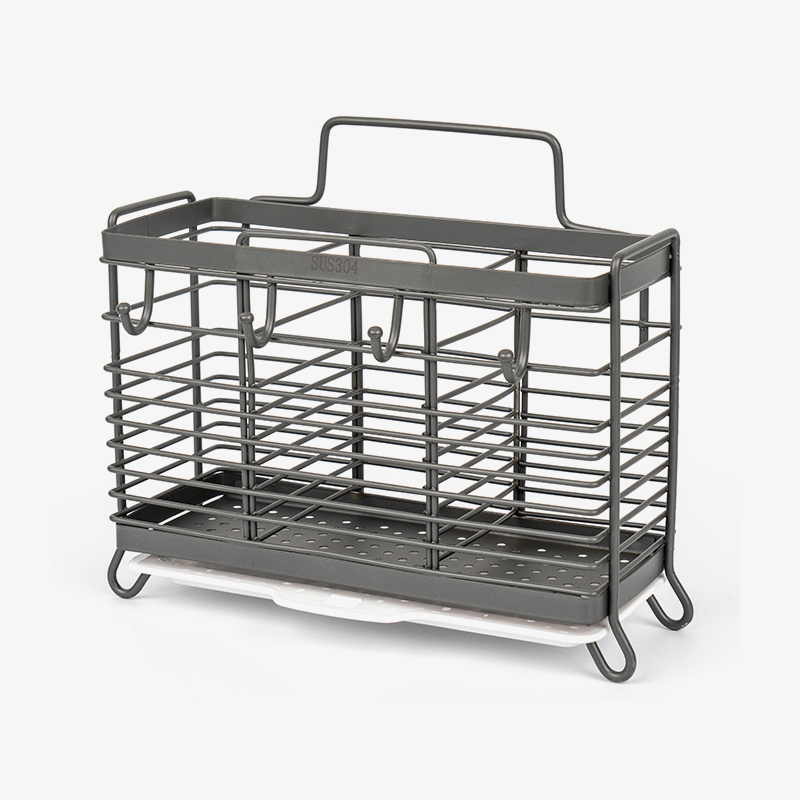
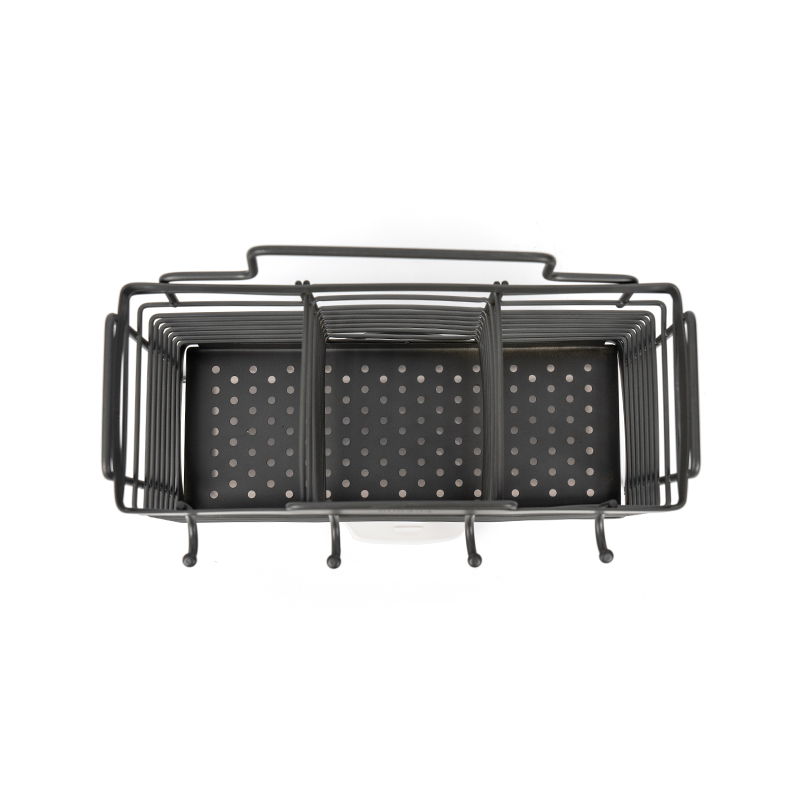
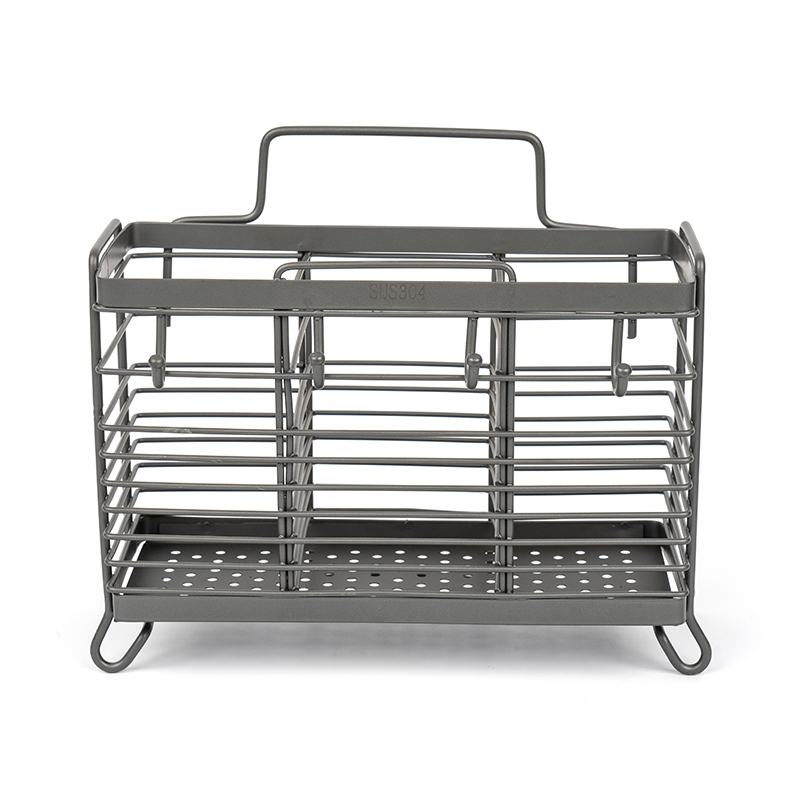
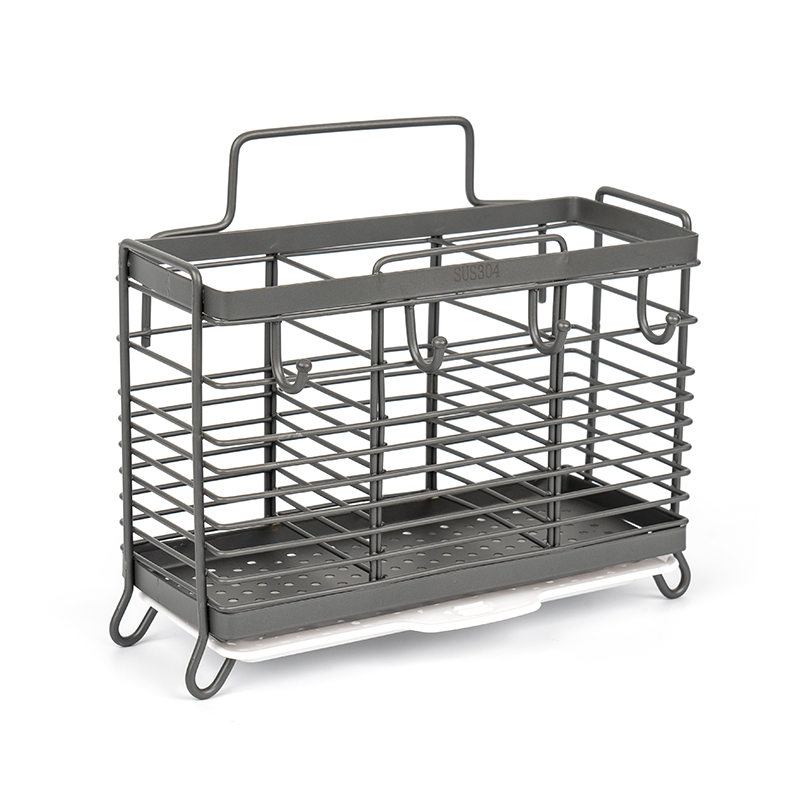
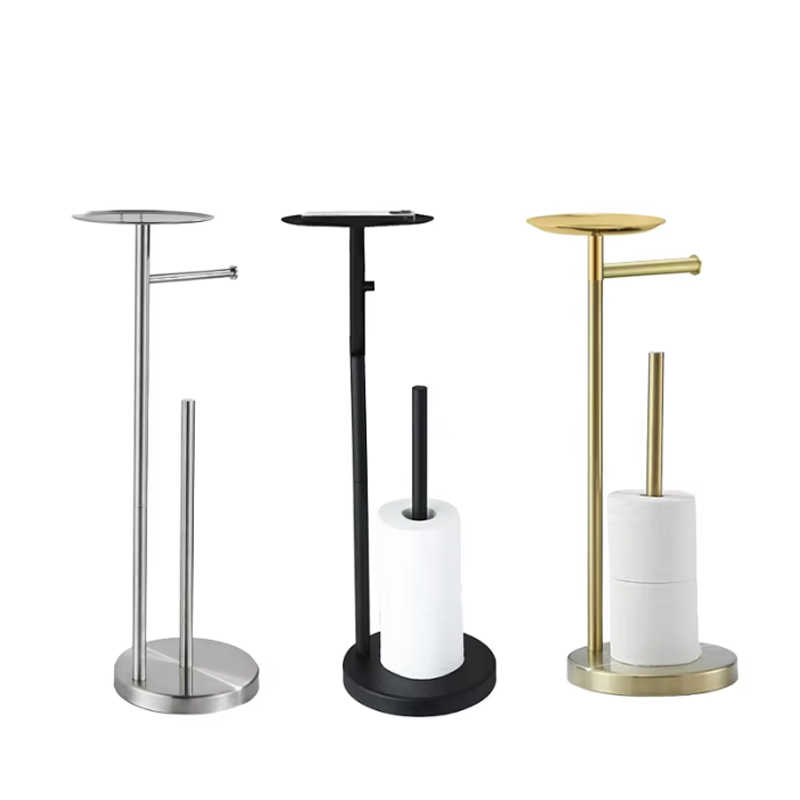
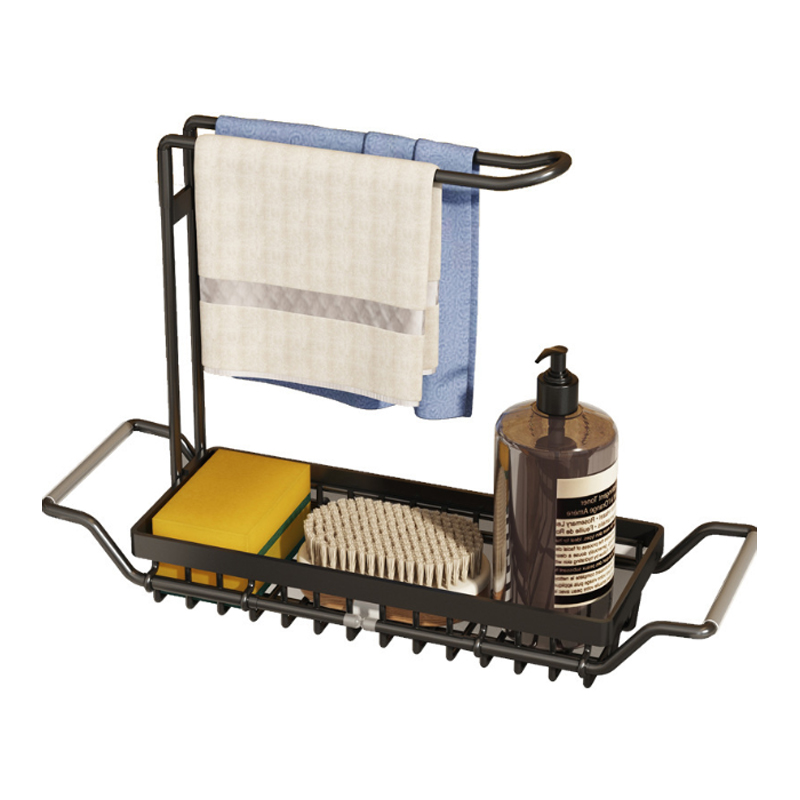
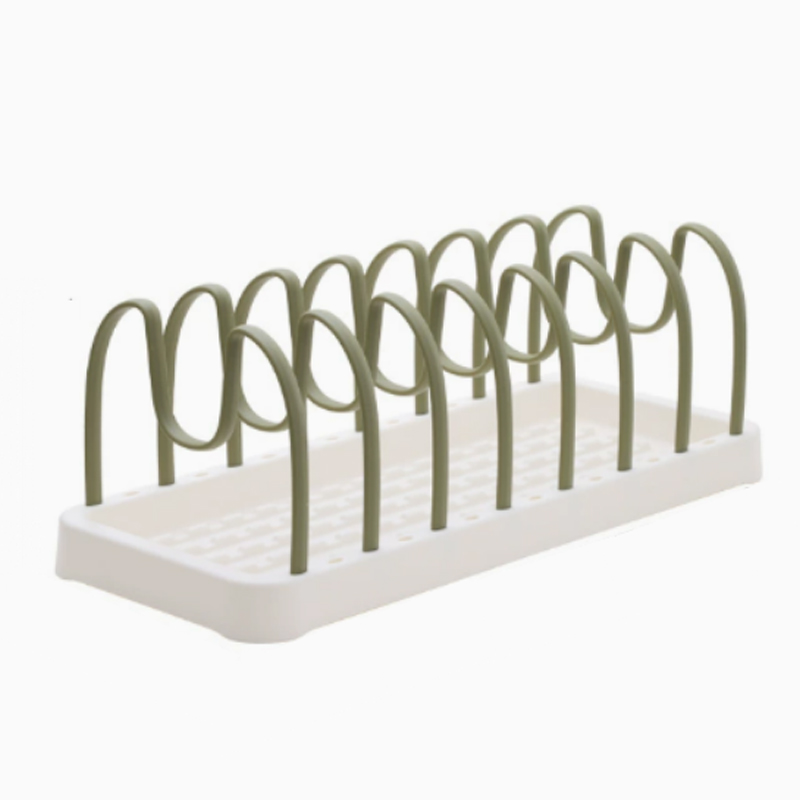
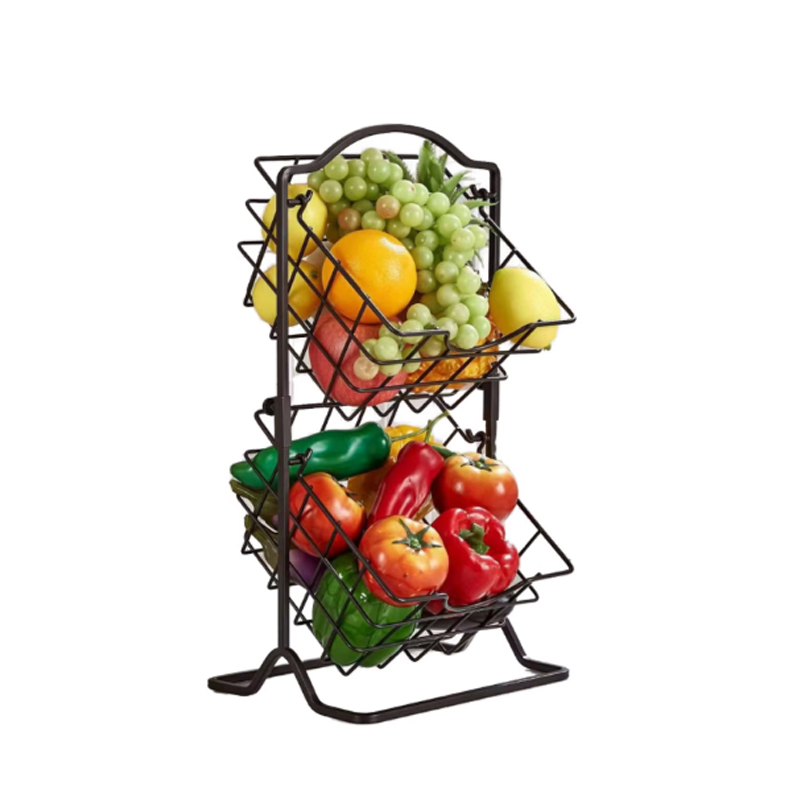
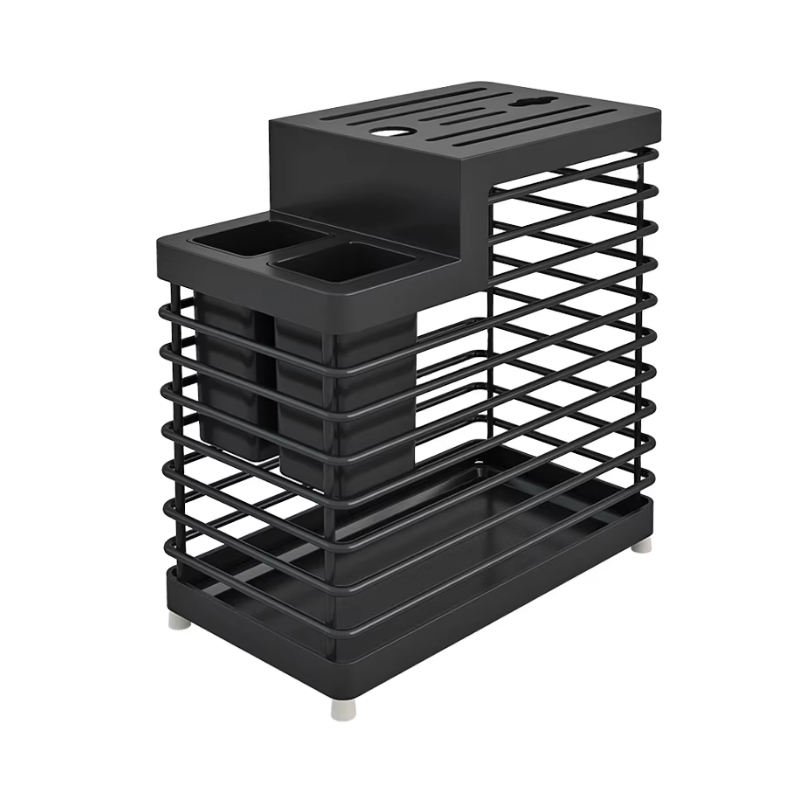
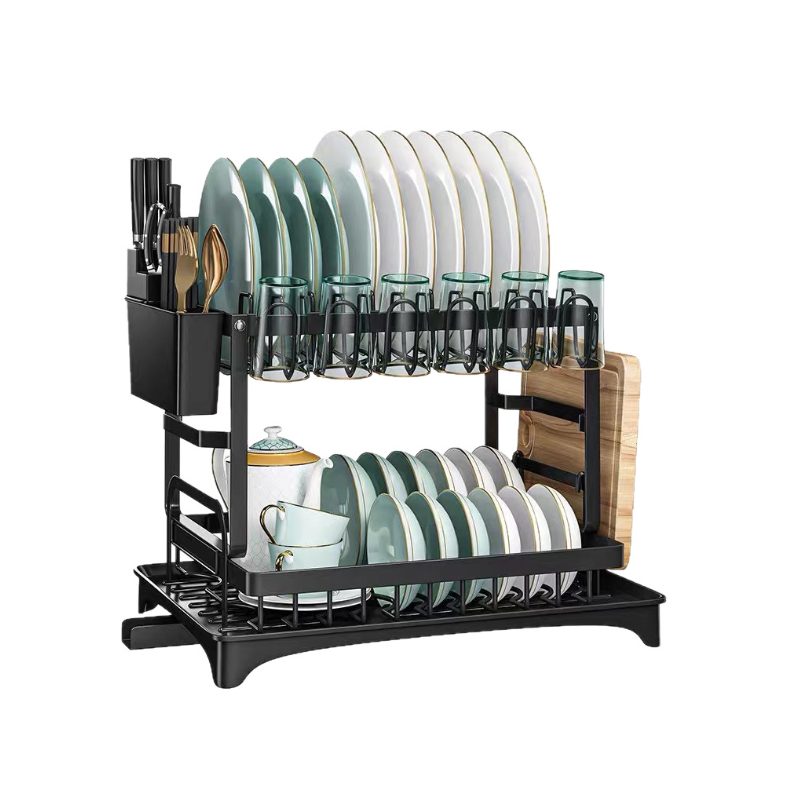
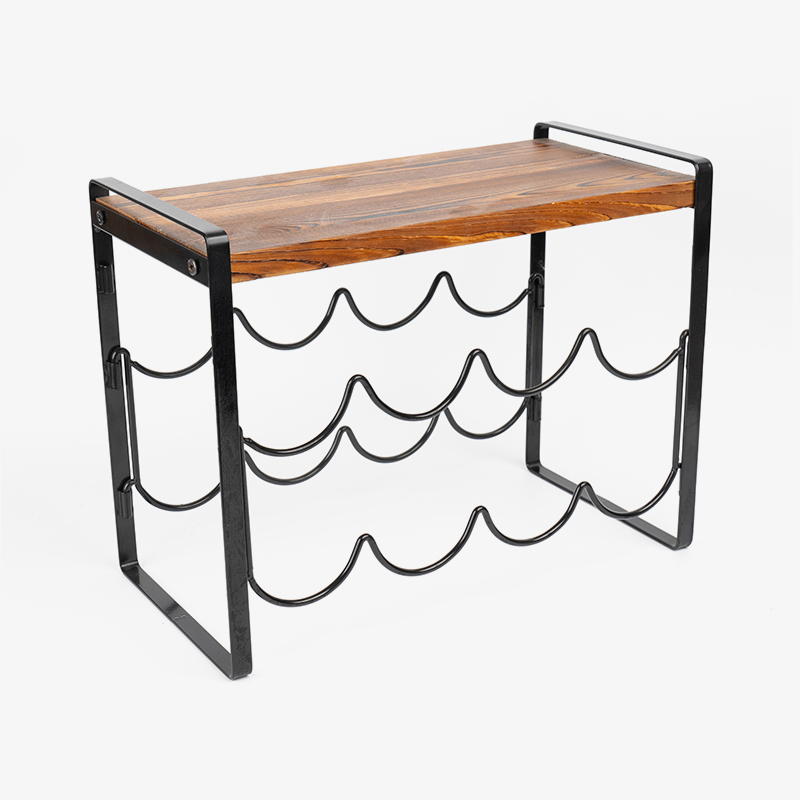
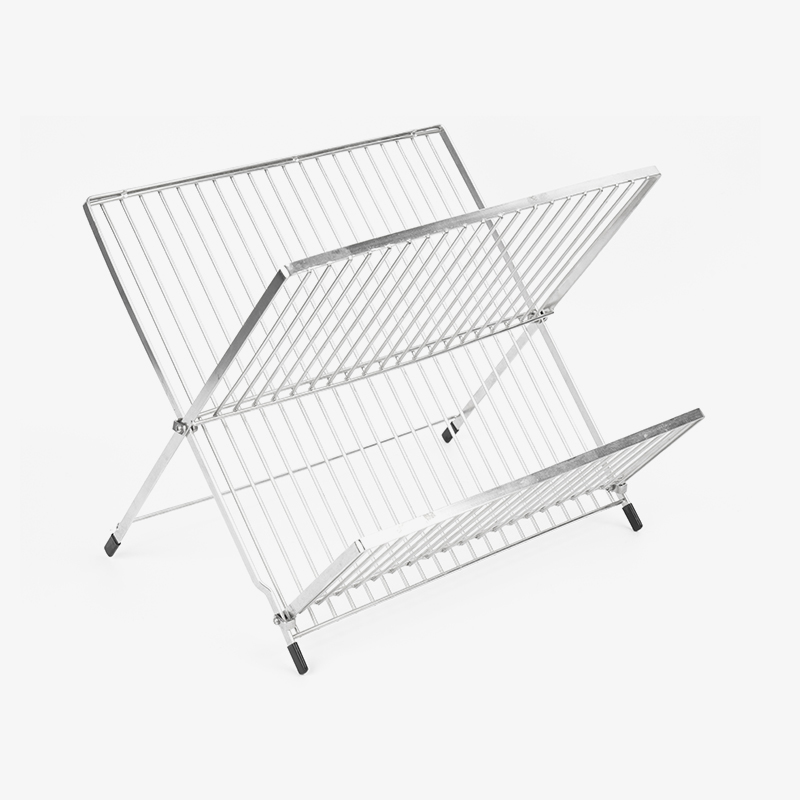
Yuyao Chengze Technology Co., Ltd. was established in 1982 and is committed to becoming a leading manufacturer in the field of kitchen, bathroom, home and outdoor metal products. The company is a China OEM/ODM 3-Compartment Dish Drying Rack with Utensil Holder Manufacturer and 3-Compartment Dish Drying Rack with Utensil Holder Factory, has a modern production base of more than 20,000 square meters, equipped with hundreds of advanced equipment, covering metal stamping, laser cutting, welding, bending and other precision processing processes.
We are committed to providing OEM and ODM services for well-known domestic and foreign brands, and have obtained ISO9001, BSCI, UL, TUV, ROHS certification.
3-Compartment Dish Drying Rack with Utensil Holder
CZ 02
1.【Excellent Quality】Made of stainless steel, with a Matte Black/Charcoal Grey surface, rust-resistant, and durable. Classic Black/Charcoal Grey elements can perfectly blend into the modern home kitchen layout. Included 3 Extra hooks provide additional storage for kitchen towels, measuring spoons, or other small items
2.【3 Compartment Design】Our utensil drying rack has 3 compartments, suitable for storing and drying small cooking utensils. You can store knives, forks, spoons, or chopsticks separately. You can place it on the kitchen countertop, keeping your kitchen clean and tidy.
3.【Automatic Drainage Rack】The unique drainage design allows you to place the utensil drying rack next to the sink, allowing the water drained from the cutlery to flow directly into the sink without having to take out the drainage tray separately to pour the water
Size: 21*8*1.5CM
Weight: 475g
Yuyao City Chengze Technology Co., Ltd.
News & Blogs
-
Yes, extra large dish drying racks are made, and they come mainly from specialist metal homeware manufacturers rather than from the big appliance names. The d...
-
The cleanest way to hide a dish drying rack is to stop giving it counter space in the first place. Four setups do that: a rack that slides out of the cabinet ...
-
The most direct answer to saving space for a dish drying rack is to move it off the flat countertop. Saving space does not mean buying a tiny rack; it means c...
-
Yes, you can spray paint a dish drying rack — but how long the finish lasts depends on how well you prepare the surface and which paint you choose. A quick on...
Industry knowledge
1. Product Definition & Overview
A 3-Compartment Dish Drying Rack with Utensil Holder is a multi-functional countertop drying accessory designed to organize and air-dry washed kitchenware simultaneously. It integrates three spatially separated zones — typically a plate slot section, a bowl/cup section, and a dedicated utensil cylinder or caddy — into a single unified frame, enabling efficient use of limited counter space.
Unlike single-tier flat racks, the compartmentalized structure provides passive airflow channels between items, reducing surface contact and accelerating drying time. The utensil holder keeps cooking tools, cutlery, and serving implements upright and accessible, eliminating the need for secondary storage containers.
2. Structural Components
The product is composed of several distinct functional elements, each engineered to serve a specific drying or storage role:
① Plate Slot Section
Vertical wire dividers spaced 15–25 mm apart to accommodate plates from 6″ to 12″ in diameter. Slot count typically ranges from 6 to 12, with angled geometry to prevent plates from slipping while allowing water to drain toward the drip tray.
② Bowl & Cup Compartment
A wider, lower-profile zone with horizontal or cross-bar supports, suitable for bowls, mugs, and small pots. Some designs incorporate inverted-cup pegs or tiered shelving to increase capacity without expanding the rack footprint.
③ Utensil Holder (Caddy)
A perforated cylindrical or rectangular container, often removable, with drainage holes at the base. Holds spatulas, ladles, whisks, and cutlery in an upright position. Interior diameter typically 80–120 mm; height 120–160 mm.
④ Drip Tray
A removable collection tray positioned beneath the full assembly. It channels draining water to a single collection point for periodic emptying, protecting the countertop from prolonged moisture exposure. Available with or without a drain spout extension for direct sink placement.
⑤ Supporting Frame & Feet
The main load-bearing skeleton, typically constructed from welded or bent wire rod. Non-slip rubber or silicone feet are standard on the base to prevent sliding and protect countertops from scratching.
3. Material Classification & Properties
Material selection is the primary determinant of corrosion resistance, load capacity, weight, and long-term durability. The following materials are commonly used in commercial production:
| Stainless Steel | SUS 201 / 304 | High corrosion resistance, durable, hygienic | Higher cost; 201 prone to rust in high-chloride environments |
| Carbon Steel + Coating | Q195 / Q235 | Lower cost, good formability | Dependent on coating integrity; susceptible if coating chips |
| Chrome-Plated Steel | Electroplated | Bright appearance, cost-effective | Lower corrosion resistance; plating may peel over time |
| Powder-Coated Steel | Epoxy / Polyester | Color variety, UV resistant, matte finish | Impact resistance varies by coating thickness |
Wire rod diameter for structural members generally falls between 3.0 mm and 5.0 mm, with thinner gauges (2.5–3.0 mm) used in utensil holder grilles and decorative mesh panels. Load capacity ratings for the full assembly typically range from 8 kg to 20 kg depending on gauge and weld quality.
4. Design Variants & Configuration Types
Manufacturers offer several configuration types to address different kitchen sizes, user habits, and retail price points:
- Single-Level 3-Compartment: All three zones arranged on one horizontal plane. Compact and lightweight; suitable for small households or apartments with limited counter space.
- Two-Tier with Integrated Caddy: Upper tier for plates and bowls; lower tier or side-mounted caddy for utensils. Increases total capacity without increasing countertop footprint.
- Over-Sink Design: Extendable side arms allow the rack to span the sink opening, draining directly into it. Eliminates the need for a drip tray and reduces countertop usage.
- Folding / Collapsible: Hinged frame construction enables flat storage when not in use. Common in travel or RV applications; lower static load capacity.
- Wall-Mounted: Fixed to a backsplash or wall via brackets; drains onto a wall-mounted channel or into the sink. Space-saving solution for very small kitchens.
5. Relevant Standards & Certifications
Products entering major consumer markets are subject to regulatory and quality requirements. Key standards applicable to dish drying racks include:
- ISO 9001 — Quality Management System; governs manufacturing consistency and process control throughout production.
- BSCI — Business Social Compliance Initiative; audits labor conditions, workplace safety, and ethical sourcing practices.
- RoHS — Restricts use of hazardous substances (lead, mercury, cadmium, etc.) in surface coatings and component materials.
- TÜV / UL — Third-party safety verification; relevant for products incorporating electrical components or sold in regulated markets.
For food-contact surfaces such as drip trays and utensil holders, buyers may additionally require compliance with FDA (USA) or EU Food Contact Material Regulation (EC) No 1935/2004, particularly for coated or plastic components.
6. Manufacturing Processes
Production of wire-based dish drying racks involves a sequence of metalworking operations. The precision and automation of each step directly affect dimensional accuracy, surface quality, and structural integrity.
- Wire Drawing & Straightening: Steel rod is drawn to the target gauge and cut to length with automatic CNC wire forming machines.
- Bending & Forming: CNC bending equipment shapes individual wire segments into the required profiles — arches, dividers, rim edges, and feet.
- Spot Welding / MIG Welding: Components are assembled via resistance spot welding or MIG welding at frame junctions. Weld quality is critical for load-bearing joints.
- Stamping: Drip trays and utensil caddy bodies are typically formed by metal stamping from flat sheet stock, followed by edge rolling or hemming to eliminate sharp edges.
- Surface Treatment: Options include electropolishing (stainless steel), chrome electroplating, zinc plating, or powder coating, depending on the target market and aesthetic requirement.
- Assembly & QC: Final assembly of subcomponents (frame, tray, caddy, rubber feet), dimensional inspection, salt spray testing for corrosion evaluation, and load testing.
7. Frequently Asked Questions
Q: What is the difference between SUS 201 and SUS 304 stainless steel for dish racks?
SUS 304 contains a higher nickel content (8–10.5%) compared to SUS 201 (3.5–5.5%), giving 304 significantly better resistance to oxidation and chloride-induced rust — relevant in coastal environments or regions with chlorinated tap water. SUS 304 commands a higher raw material cost, typically 20–35% more than 201 grade at the mill level.
Q: How is the drip tray typically attached — removable or fixed?
In the majority of retail product designs, the drip tray is removable, resting on a ledge or clips formed into the lower frame wire. Removability is a standard usability requirement since the tray must be emptied periodically. Permanently fixed trays exist in some institutional or over-sink designs where direct drainage is provided.
Q: What salt spray test duration is standard for coated dish racks?
ASTM B117 salt spray testing (5% NaCl solution, 35°C) is the most widely referenced method. For powder-coated carbon steel racks, a minimum of 48–96 hours without base metal corrosion is a commonly specified threshold for mid-market products. Premium-grade stainless steel racks are often required to pass 200+ hours without visible rust formation at the welds.
Q: Can utensil holders be ordered separately from the main rack frame?
Yes. Most factories offer the utensil holder as a separate stampable subcomponent with its own tooling. Buyers can specify different holder shapes (round, square, rectangular), materials (stainless, powder-coated steel), hole patterns, and attachment methods (hook-on, clip-on, or bolt-mounted) independently of the main wire frame design.
Q: Are there standard packaging requirements for retail export?
Retail packaging for dish racks typically uses corrugated carton with inner EPE foam or die-cut cardboard supports to prevent wire deformation in transit. Color box presentation with product photography is standard for shelf-ready retail SKUs. Buyers should specify drop test requirements (ISTA 1A or ISTA 2A) and carton compression strength (BCT values) if products will be stored in high-stack warehouse environments.
Work With Us
We would love to hear more
about your project

Product Links
Contact
- ADD:No.35 Rongchuang road, Yuyao City, Zhejiang Province, China.
- Phone: +86-15888898098/18457101929
- Salesman: +86-19106866515 (Manager Shi)
- Email: [email protected]
Copyright © 2025Yuyao City Chengze Technology Co., Ltd.
All Rights Reserved. OEM/ODM 3-Compartment Dish Drying Rack with Utensil Holder Manufacturer

