

 Español
 عربى
عربىThe quickest way to clean a stainless steel dish drying rack is to remove everything, soak the rack in hot soapy water for ten minutes, scrub it with a non-abrasive sponge, and wipe it dry. For soap scum and hard water rings, use a white vinegar soak followed by a baking soda paste. Do this weekly, and your rack will stay bright, corrosion-free, and hygienic for years.
Why Regular Cleaning Matters
A dish drying rack that looks clean can still collect a thin film of soap residue, food particles, and mineral deposits. Every time wet dishes rest on the rack, small puddles form at the contact points. Food particles lodge along the wire joints and under the drip tray. If those spots stay damp, bacteria multiply and the chromium oxide layer that protects stainless steel gradually breaks down, leaving pits where rust starts.
The impact goes beyond appearance. A dirty rack transfers marks and odors onto your clean dishes, and once rust begins, it can spread to cutlery and pans that touch the rack. Racks that are cleaned regularly also dry faster, which keeps the countertop drier and reduces the chance of water damage to surrounding cabinets.
What You Will Need
Cleaning a stainless steel dish drying rack does not require special chemicals. Common kitchen items are enough:
- Dish soap, preferably a degreasing formula
- White vinegar, standard 5% acidity
- Baking soda for gentle scrubbing
- Soft sponge or nylon scrub brush
- Old toothbrush for corners and wire joints
- Microfiber cloth for drying
- Large sink, bathtub, or plastic bin for soaking
Do not use steel wool or abrasive scouring pads. They scratch the stainless steel surface and create tiny grooves where rust and grime can settle.
How to Clean a Stainless Steel Dish Drying Rack Step by Step
1. Empty the Rack and Remove Removable Parts
Take out all dishes, cups, and cutlery. If the rack has a cutlery basket, drip tray, or rubber feet, remove them as well. These parts trap water and are usually the first places to develop rust, so clean them separately and dry them fully.
2. Soak in Hot Soapy Water
Fill the sink or basin with hot water and mix in dish soap. Submerge the whole rack and let it soak for ten minutes. The heat and soap loosen grease, dried food, and sticky residue, so scrubbing takes less effort.
3. Scrub Every Surface
Using a soft sponge, wipe down the entire rack in the direction of the wire. Pay extra attention to the intersections where wires cross, the underside of the drip tray, and the tips of the feet. These are the areas people miss most often, and they are exactly where rust appears first.
4. Remove Mineral Deposits with Vinegar
White or rainbow-colored film on the metal is hard water scale. Dampen a cloth with white vinegar and wipe the affected areas, or soak the rack in a 1:1 vinegar-to-water solution for 15 minutes. The acid dissolves the calcium and magnesium deposits. Rinse with fresh water after the soak so the vinegar does not linger on the surface.
5. Rinse and Dry Thoroughly
Rinse the rack under running water to remove every trace of soap, baking soda, and vinegar. Then dry it with a microfiber cloth, including the underside and the rubber feet. Let it air out on the counter for a few minutes before putting the dishes back. Water left on the surface is the main cause of streaks, spots, and rust.
Deep Cleaning for Soap Scum and Rust Spots
If your rack has been neglected for more than a month, the regular method is not enough. Fill a bathtub or large plastic bin with hot water, add one cup of white vinegar and a few drops of dish soap, and submerge the rack for one hour. The vinegar dissolves mineral scale and soap scum while the dish soap breaks down grease. After the soak, rinse everything and use a baking soda paste on any remaining spots.
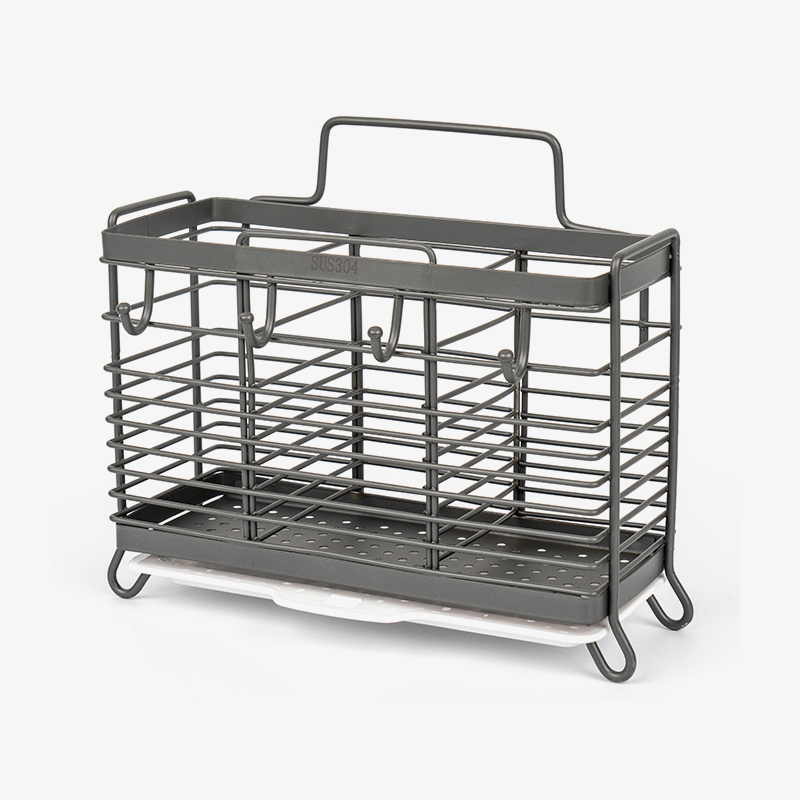
For rust spots that have already formed, do not apply vinegar directly to the rust; the acid can accelerate oxidation. Instead, mix a thick paste of baking soda and water, spread it over the rusted areas, wait 30 minutes, and scrub gently with a nylon brush. This method is gentle enough to preserve the surrounding metal. The same treatment works well on a 304 stainless steel utensil holder that shares the same countertop and collects the same spills.
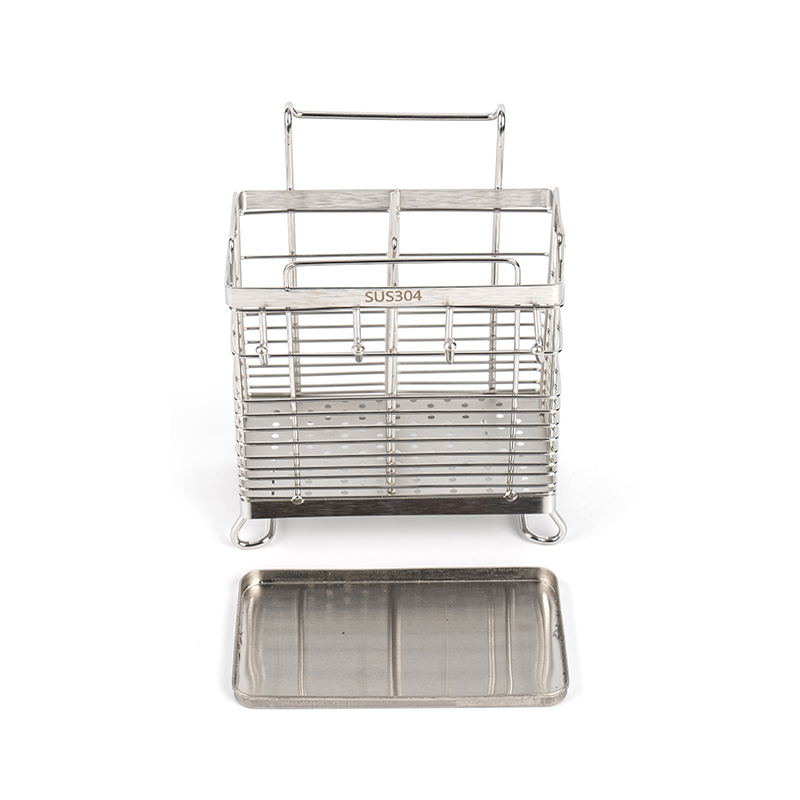 Wholesale 304 Stainless Steel Kitchen Utensils Chopsticks Holder Drying ManufactYuyao City Chengze Technology Co., Ltd is China OEM/ODM 304 Stainless Steel Kitchen Utensils Chopsticks Holder Drying manufacturers and 3...View Product →
How Often Should You Clean It?
Wipe the rack down every day or two, wash it properly once a week, and give it a deep clean once a month. If your tap water is hard, move the deep clean to every two weeks, because mineral scale builds up faster.
| Cleaning level | Frequency | What to do |
|---|---|---|
| Quick wipe | Daily or every other day | Wipe the rack and drip tray with a damp cloth; empty trapped water |
| Soap wash | Weekly | Wash with warm soapy water; scrub joints; rinse and dry completely |
| Deep clean | Monthly | Soak in vinegar-water solution; treat rust with baking soda paste |
Preventing Buildup in the First Place
The easiest way to clean a stainless steel dish drying rack is to keep it from getting dirty in the first place. These four habits make a measurable difference:
Shake off excess water
Give each plate and glass a quick shake before placing it on the rack. Less water on the rack means less mineral buildup and faster drying.
Use an absorbent mat
A silicone or microfiber mat under the rack catches drips, keeps the counter dry, and stops water from pooling around the rubber feet.
Give it airflow
Leave a few inches of space around the rack so air can circulate. The corners that sit pressed against the wall stay damp for hours and rust first.
Choose the right material
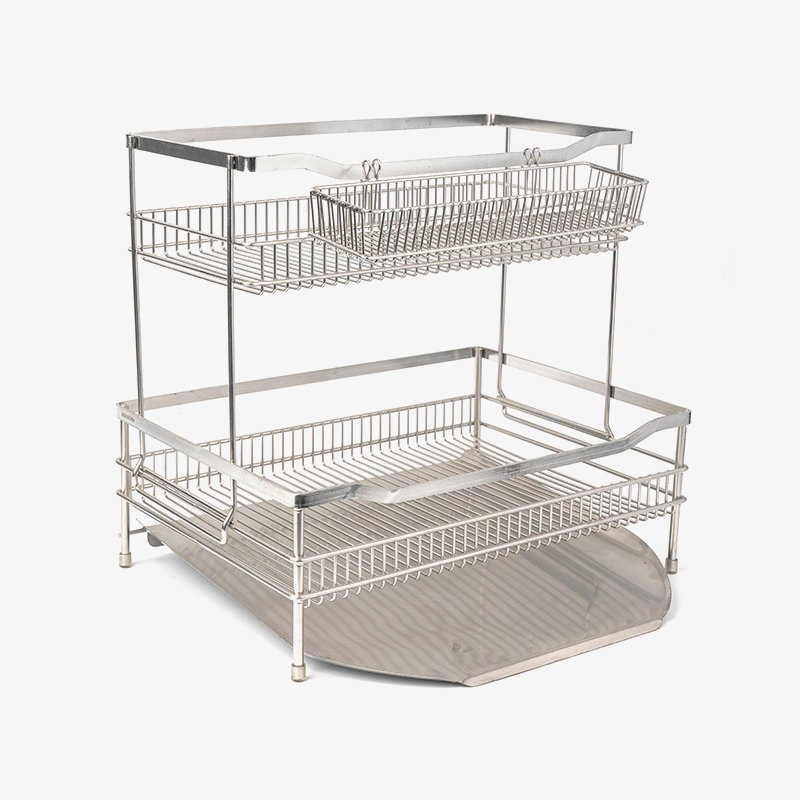
Racks made from 304 stainless steel resist corrosion better than chrome-plated carbon steel, and a stainless steel dish drying rack with welded joints gives grime fewer places to hide.
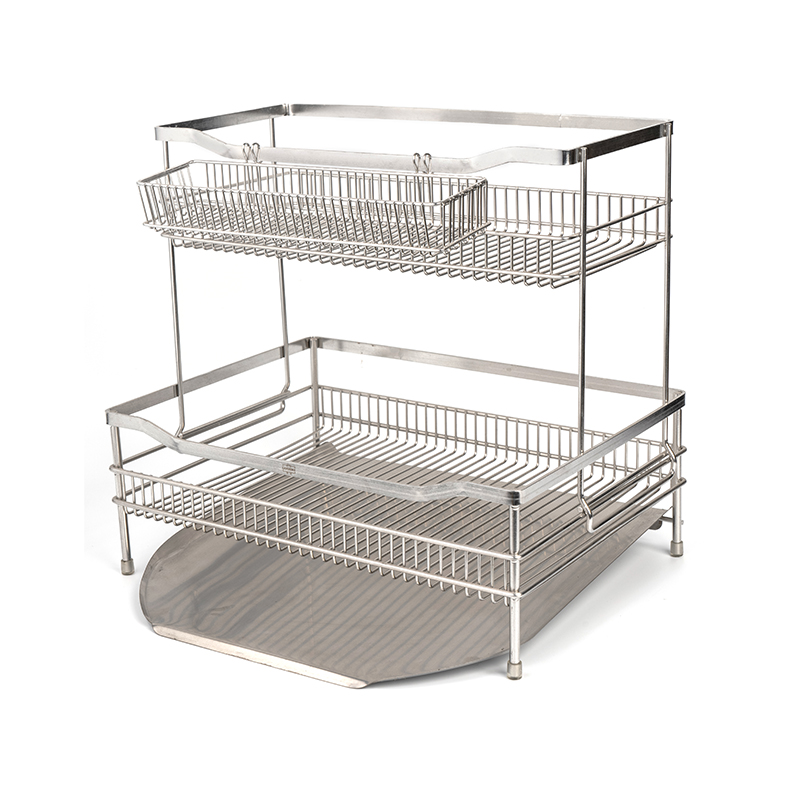 Wholesale Stainless Steel Double Layer Dish Drying Rack with Drainboard ManufactYuyao City Chengze Technology Co., Ltd is China OEM/ODM Stainless Steel Double Layer Dish Drying Rack with Drainboard manufacturers and S...View Product →
When to Replace Your Dish Drying Rack
If cleaning no longer restores the rack, replacement is the safer choice. Replace a rack when rust has pitted deep into the metal, when the coating is peeling and exposing bare steel, or when the frame wobbles or has a broken weld. Cracked rubber feet also need attention because bare metal will scratch the countertop.
With regular maintenance, a good rack will serve several years, but material quality matters. Racks produced under strict quality control tend to have smoother welds and more consistent coatings, which makes them easier to clean and slower to rust. If you are comparing options, a simple kitchen drain rack with a removable drip tray and an easy-to-wipe frame will save you from scrubbing hard later.
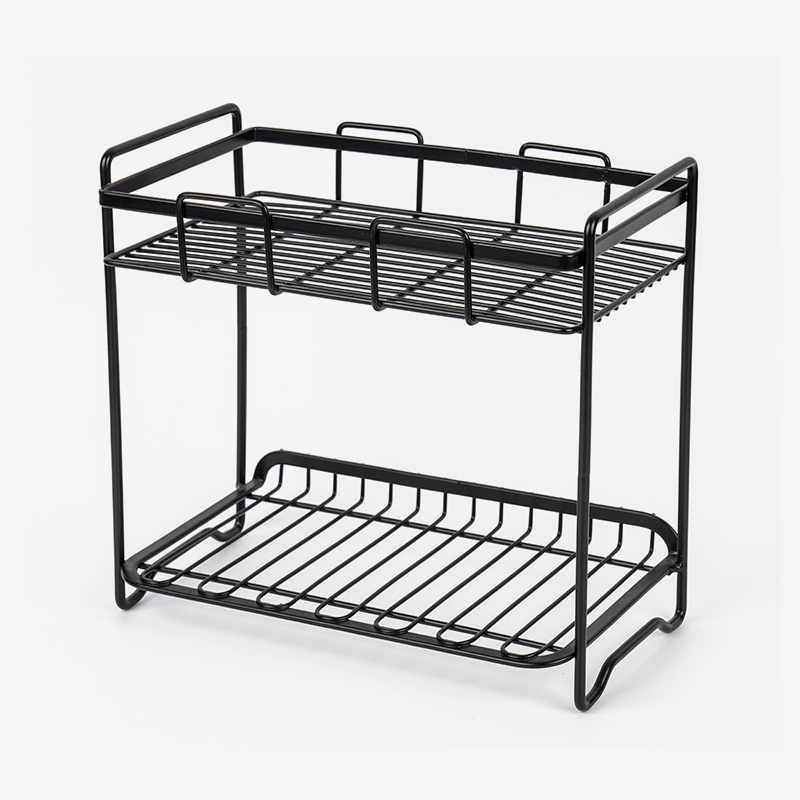
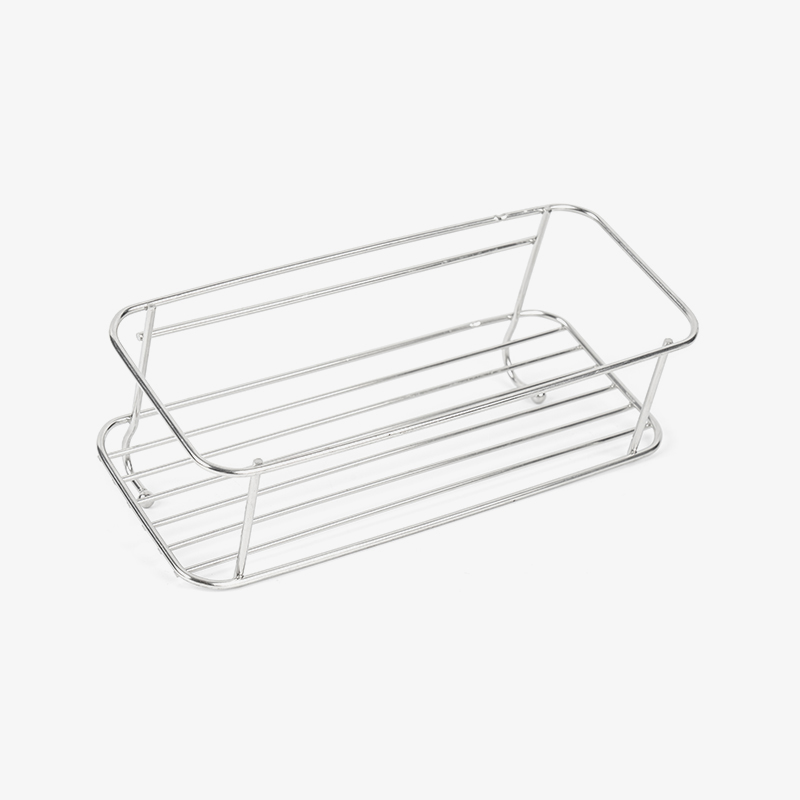
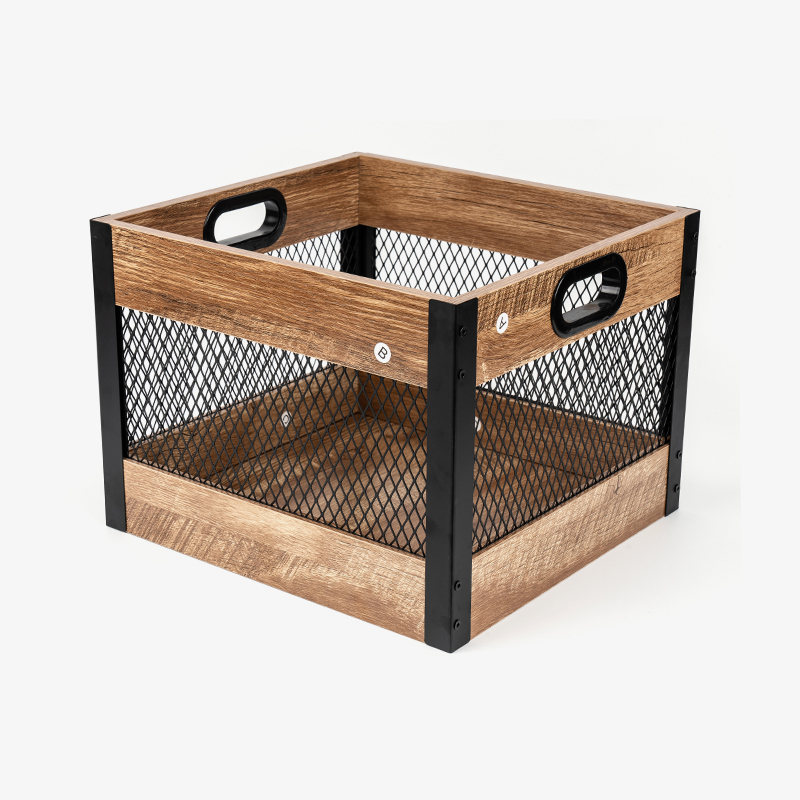
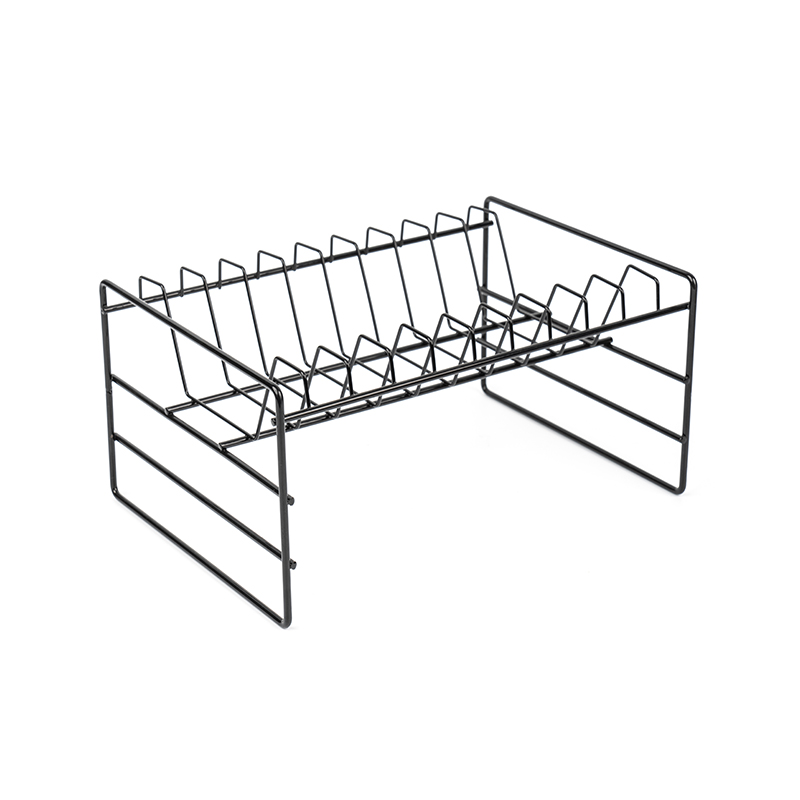 Wholesale Black Multifunctional Sink Storage Rack for Utensils Manufacturer, FacYuyao City Chengze Technology Co., Ltd is China OEM/ODM Black Multifunctional Sink Storage Rack for Utensils manufacturers and Black Mult...View Product →
Frequently Asked Questions
Can you put a stainless steel dish drying rack in the dishwasher?
Only if the manufacturer says it is dishwasher-safe. All-metal racks with welded joints usually survive dishwasher cycles, but racks with rubber feet, painted surfaces, or plastic parts can be damaged. Repeated cycles may also dull the finish, so most users prefer hand washing the rack weekly and reserving the dishwasher for occasional deep cleaning.
Does vinegar damage stainless steel?
White vinegar is safe for short cleaning contact and is one of the best ways to remove hard water scale. Since it is a mild acid, leaving it on the surface for hours can etch the metal. Always rinse the rack with water and dry it after a vinegar treatment.
How do I remove rust spots from a stainless steel dish drying rack?
For shallow rust, apply a baking soda paste, wait 30 minutes, and scrub gently with a nylon brush. For deep pits, the protective layer has already been breached, so complete removal is unlikely. Dry the rack thoroughly and apply a thin layer of food-safe mineral oil to slow further corrosion.
Can I use bleach to clean and sanitize my dish rack?
Diluted bleach can sanitize, but it is not a good routine cleaner for stainless steel. High concentrations attack the chromium oxide layer and cause pitting. If you use bleach, keep the concentration below 10%, rinse very thoroughly, and dry the rack immediately. For everyday cleaning, dish soap and vinegar work without the risk.
Cleaning a stainless steel dish drying rack comes down to three habits: wipe it down often, wash it weekly, and dry it completely every time. A rack treated this way stays bright, smooth, and rust-free, and it will quietly do its job for a long time.