

 Español
 عربى
عربىYes, you can spray paint a dish drying rack — but how long the finish lasts depends on how well you prepare the surface and which paint you choose. A quick one-coat spray over old, peeling paint will not survive weekly contact with hot water, dish soap, and heavy plates. The practical answer is simpler than you might think: repaint only when the frame is structurally sound and the rust is shallow, and follow the full process — degrease, sand, prime, spray in thin coats, and let the paint cure for at least 48 hours before you load it with dishes. If the rack has deep rust, bent wires, or peeling chrome, buying a new one is the cheaper and safer decision.
Step 1: Decide Whether Your Rack Is Worth Repainting
A dish drying rack is a good repaint candidate only when the metal underneath is intact and the damage is limited to surface rust or peeling factory paint.
Start by checking what your rack is made of. Most budget racks are welded steel wire with an epoxy, vinyl, or chrome outer finish. Stainless steel racks do not need painting at all. Then inspect the rust pattern: light, powdery rust on the surface can be sanded back to clean metal, but rust that has blistered the coating or bleeds from the welded joints means corrosion has already eaten into the wire.
Discard the rack outright if any wires are bent, any welds are loose, or the rubber feet are gone. Paint cannot repair structure, and a rack that fails while loaded with dishes is a fall and breakage hazard.
| Condition | Verdict | Reason |
|---|---|---|
| Light surface rust and small chips | Repaint | Sanding plus a rust-inhibitive primer stops the corrosion before it spreads. |
| Peeling paint with clean metal underneath | Repaint | The main requirement is degreasing and a proper primer coat. |
| Deep rust that has pitted the wire | Replace | New paint cannot restore lost metal, and rust will push through the new film later. |
| Chrome plating that is lifting or flaking | Replace | Spray paint will not bond to smooth chrome unless the plating is fully stripped. |
| Bent wires or loose welded joints | Replace | Structural damage cannot be fixed with paint and is a safety risk under load. |
| Stainless steel that is only stained or scratched | No painting needed | Stainless steel resists corrosion naturally; use a stainless-grade cleaner instead. |
Step 2: How to Spray Paint a Dish Drying Rack in Five Steps
These five steps are what separate a finish that lasts for months from one that peels off within the first week.
- Degrease thoroughly. Wash the whole rack in warm water and dish soap, then rinse well. Kitchen steam and hand oils leave a greasy film that prevents paint from bonding.
- Remove rust and loose paint. Use 80–120 grit sandpaper or a wire brush. Sand until you reach clean metal, and feather the edges where the remaining factory paint is still intact.
- Wipe and dry. Go over the rack with a damp lint-free cloth, then leave it to dry completely for at least 30 minutes.
- Apply a rust-inhibitive metal primer. Spray two thin coats, holding the can about 20–30 cm from the surface and moving in steady passes. Wait 15–30 minutes between coats.
- Spray the topcoat. Use an enamel or rust-preventive metal paint. Apply three to four thin coats rather than one heavy coat, let each coat dry for about 30 minutes, then allow the full finish to cure for 48–72 hours before any dish touches it.
Step 3: Choose the Right Spray Paint for Metal
For a dish drying rack, oil-based enamel or a rust-preventive metal spray paint gives the most durable result; standard acrylic craft paint is too soft for constant moisture.
| Paint Type | Durability | Best For | Main Drawback |
|---|---|---|---|
| Oil-based enamel | High | Racks used daily near water and soap | Long cure time and strong solvent odor; spray in a ventilated area. |
| Acrylic enamel (water-based) | Medium | Touch-ups and short-term refreshes | Can soften from hot water and repeated detergent exposure. |
| Rust-preventive all-metal paint | High | Rust repair on older, bare-metal racks | Usually requires a compatible primer, and the color range is limited. |
Whatever the label says, avoid paints sold only for wood or decorative chalk paint. They dry too soft for a surface that is constantly wet, and they chip under the weight of ceramic dishes.
Safety, Food Contact, and the Chipping Problem
A fully cured spray paint finish is inert for incidental contact, so the real risk is not the dried paint itself but the possibility of peeling chips ending up on your plates.
Most solvent-based enamels, once cured for 48 to 72 hours, are stable and non-toxic. That is why enamel paints are used on metal kitchen furniture and appliance bodies. The practical hazard is physical: if your old paint peeled because of humidity and washing, a new coat can do the same whenever water gets under the film. A chipped piece of paint in the dishwater is both unpleasant and a sign that the finish is no longer protecting the metal.
You can reduce the risk by keeping the rack dry, wiping up standing water, and placing a silicone mat or paper towel between the rack and your better dishes. You should also spray outdoors or in a garage with the door open — never in a room where food is stored.
For a rack that will face daily moisture, a factory-applied acid- and alkali-resistant coating is more durable than any rattle-can finish, because it is cured under controlled industrial conditions rather than air-dried at home.
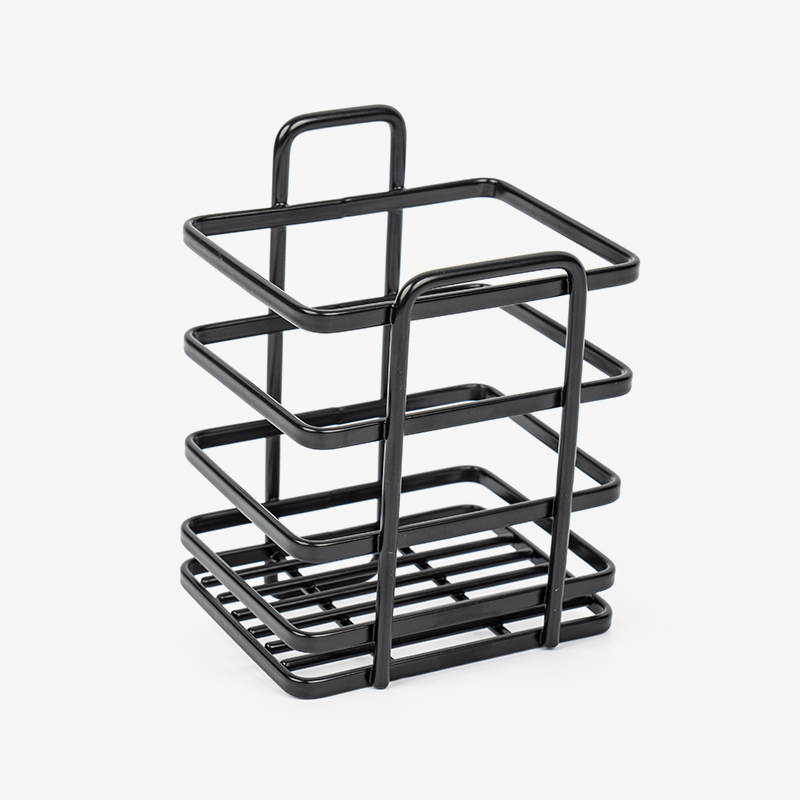
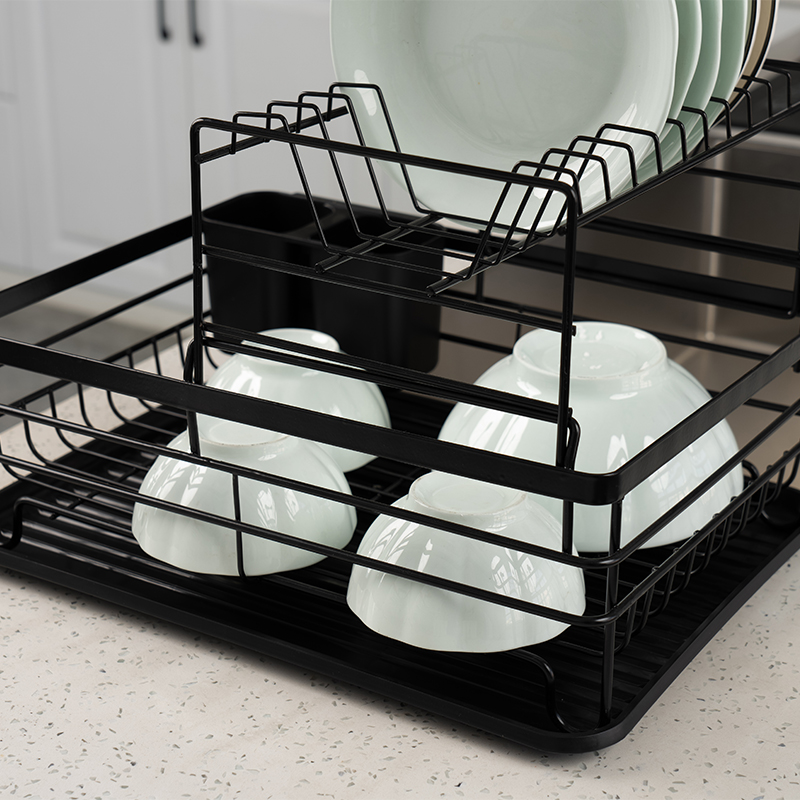 Black Kitchen Countertop Drain Rack with Drain BoardFactory-cured acid- and alkali-resistant coating makes this black wire dish rack more durable than spray paint, with quick assembly and a compact space-saving design for daily kitchen use.View Product →
When Replacing Is Smarter Than Repainting
A can of spray paint looks cheap until you count the primer, sandpaper, cleaner, and two full days of curing time. For many racks, replacement is the more practical route.
Here is the honest cost comparison: a rattle can plus primer and sandpaper runs about US$15–25, and your time from prep to safe use spans 2–3 days. A new mid-range dish drying rack costs roughly the same as the materials, and a stainless steel rack will last for years with no paint at all.
Factory finishes are also in a different league from anything you can spray at home. Powder coating and epoxy coatings are baked at high temperature, so they form a hard, continuous film that resists water, detergent, and abrasion far better than an air-dried spray job. These factory-applied finishes are subject to rigorous quality checks before they ship.
If you want to avoid the repainting cycle entirely, stainless steel is the obvious answer. Stainless steel wire and bowl racks resist rust without any coating, which is why commercial kitchens almost always choose them over painted steel.
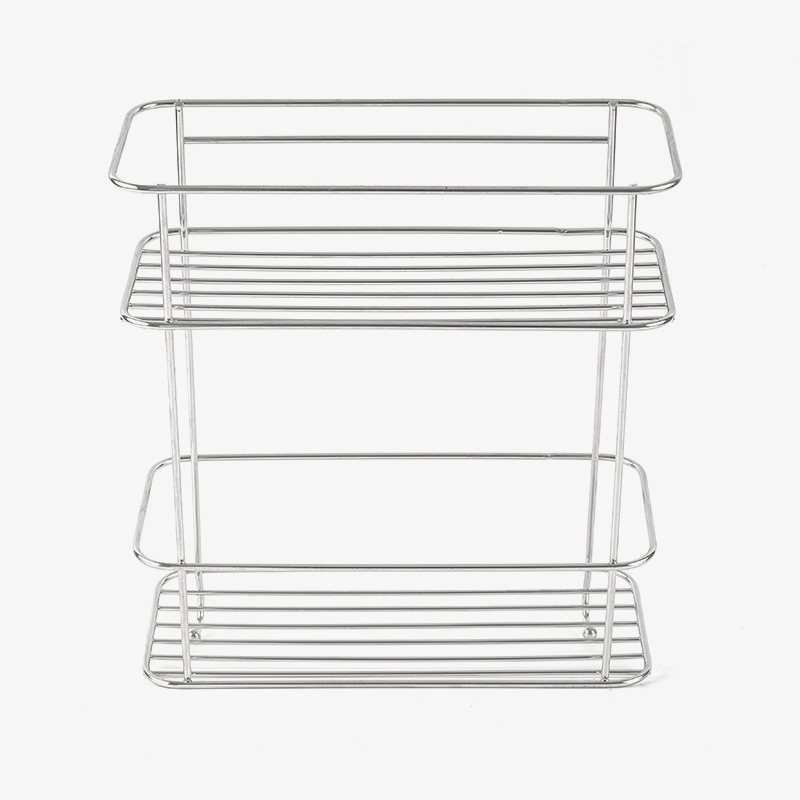
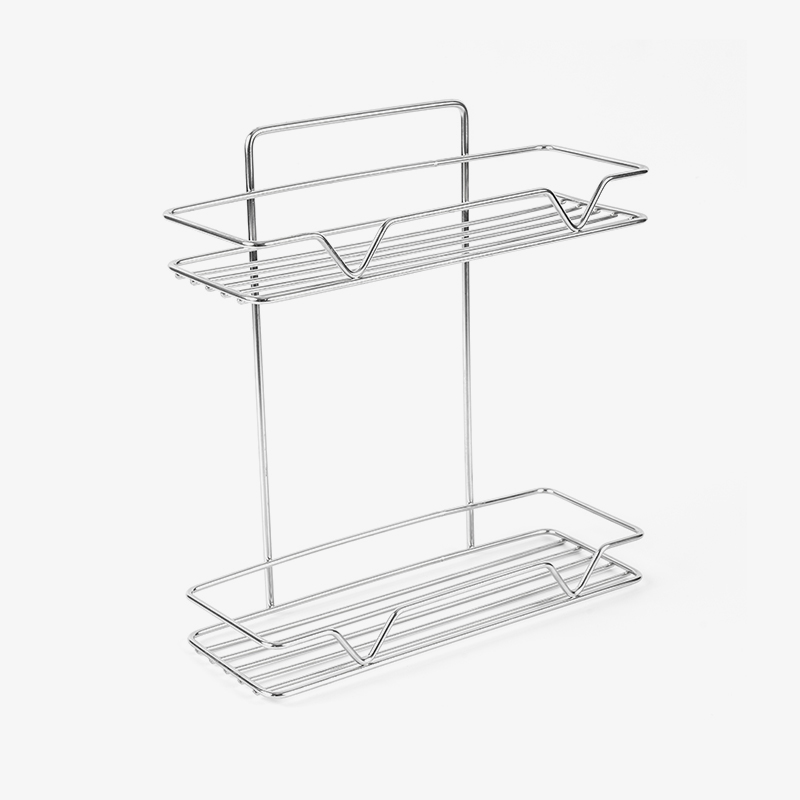
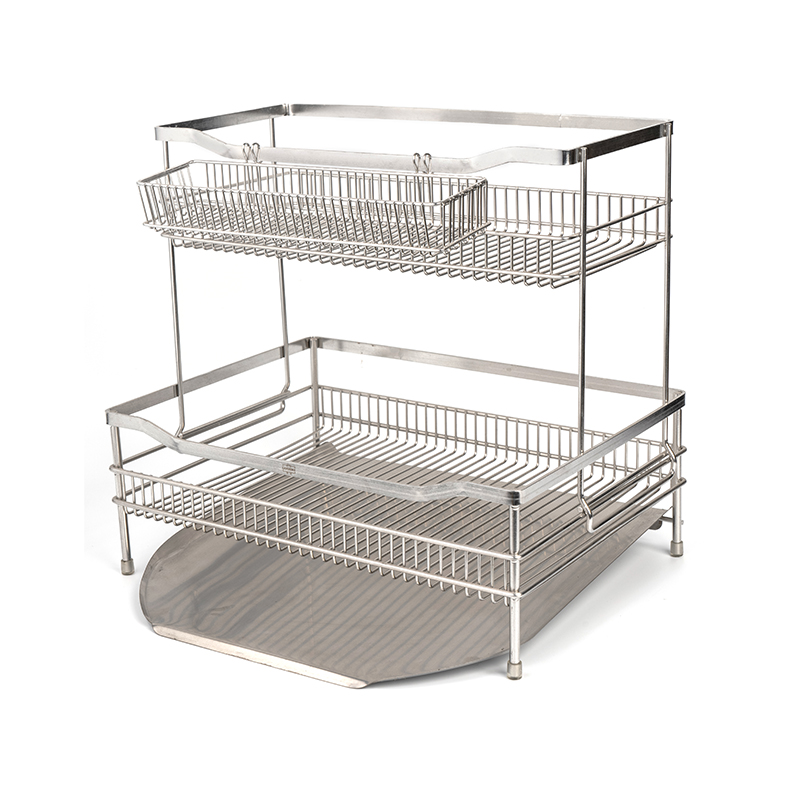 Stainless Steel Double Layer Dish Drying Rack with DrainboardHeavy-duty 304 stainless steel with nano-coated surface resists rust without repainting, offering anti-slip stability and designated storage areas—a practical upgrade over painted racks.View Product →
Repainting still makes sense for a beloved or perfectly sized rack that is only cosmetically worn. Just be ready to do it again in one to two years, because even the best rattle-can finish is thinner than a factory-cured coating.
How to Make the New Finish Last Longer
What destroys a spray-painted dish rack is not paint quality — it is daily habits like soaking, scrubbing with abrasive pads, and leaving wet dishes on the rack for hours.
If you choose to repaint and want the coating to last as long as possible, follow these habits:
- Wipe the rack down after heavy use instead of letting soapy water pool overnight.
- Avoid steel wool and stiff abrasive scrubbers; use a sponge or nylon brush.
- Dry the joints and corners where water collects, since those spots are where rust always starts.
- Keep hot pots and pans off the rack; direct heat softens spray paint even after curing.
If you decide the repaint job is not worth repeating every year, choose a replacement with a finish designed for constant moisture. A dedicated kitchen drain rack with reinforced wire and a resistant coating is a straightforward upgrade.
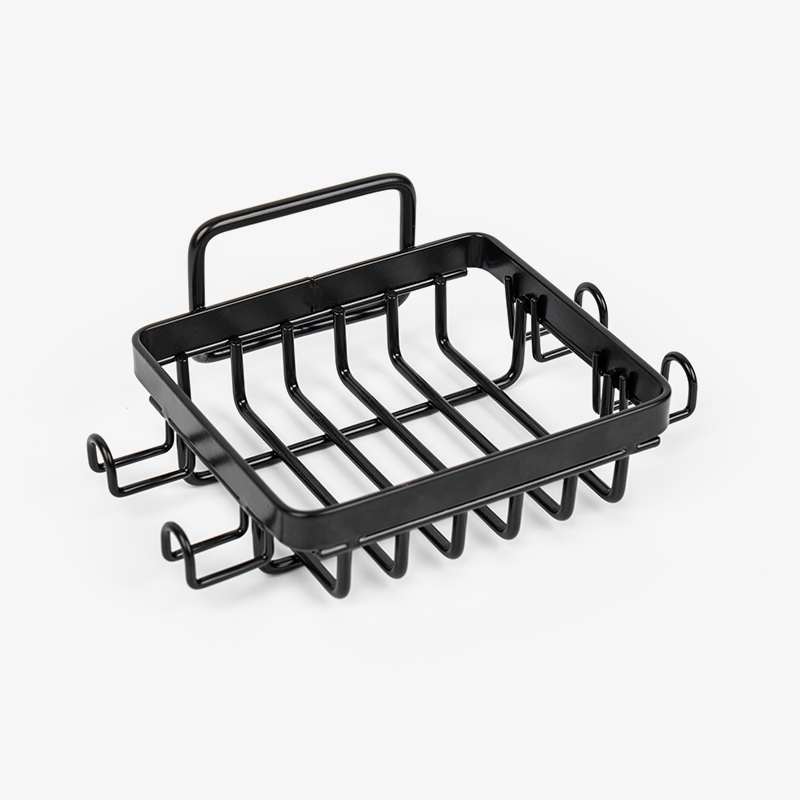
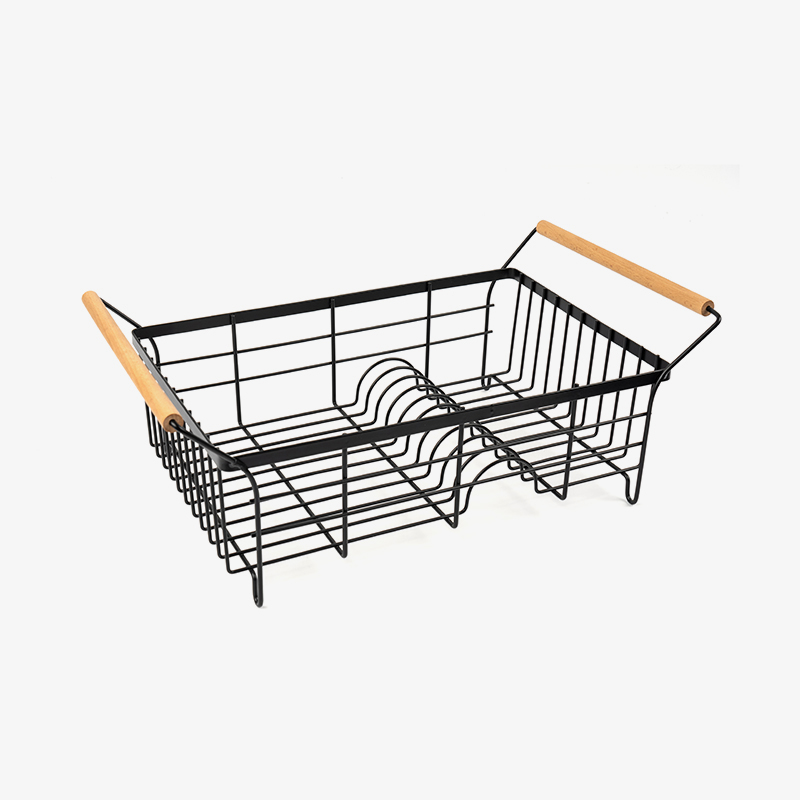
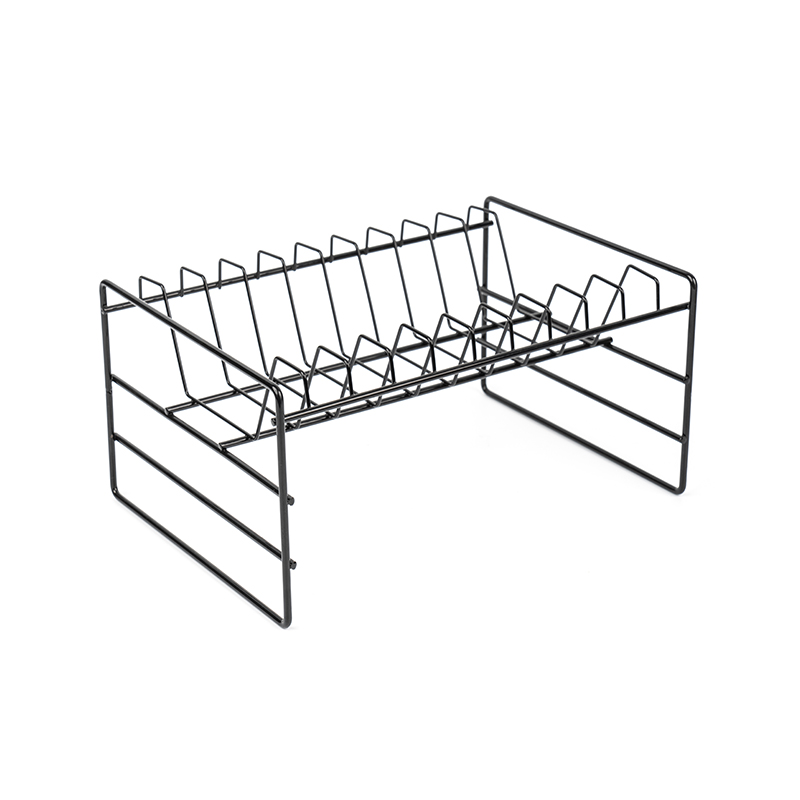 Black Multifunctional Sink Storage Rack for UtensilsIron rack with durable anti-rust coating, non-slip and scratch-resistant base, designed for constant moisture exposure—a straightforward replacement when repainting isn't worth repeating.View Product →
Frequently Asked Questions
How long should I wait before using the spray-painted rack?
Wait 48 to 72 hours, not just the 30-minute recoat window. The paint can feel dry to the touch while still being soft underneath. Humidity and cooler temperatures make curing slower, so when in doubt, give it another day.
Can I spray paint a chrome-plated dish drying rack?
Not easily. Spray paint does not bond to smooth chrome, so the plating would have to be stripped completely or aggressively roughened with coarse sandpaper — and even then adhesion remains weak. For chrome-plated racks, replacement is usually less work and a better result.
Is spray paint on a dish rack food-safe?
Once fully cured, common metal enamel paints are inert for incidental contact with dishes. The practical risk is not the paint chemistry but peeled chips mixing with your dinnerware. If you are concerned, put a barrier between the rack and your plates, or switch to a stainless steel rack.
How many coats of spray paint do I need?
Three to four thin coats, each left to dry for about 30 minutes, give even coverage without runs. Two coats often leave thin spots over uneven factory paint, and one heavy coat tends to sag or blister as the solvent evaporates.
Can I spray paint over the existing enamel without sanding?
No. Spray paint needs a rough surface to grip. Degreasing alone works only for a rack that is still in very good condition; if there is peeling or chipped paint anywhere, sand the entire rack so the new paint bonds to metal at the same level.
The Bottom Line
Yes, you can spray paint a dish drying rack, and the job is manageable in a single afternoon — but it is only worth doing when the frame is sound, the rust is shallow, and you allow enough time for the paint to cure. For racks with deep rust, bent wires, or peeling chrome, a factory-finished or stainless steel replacement is the lower-effort, longer-lasting option. Whichever path you choose, remember that surface preparation decides the outcome; the spray can is the last step, not the first.