

 Español
 عربى
A no-drill bathroom shelf holds up when the mounting method matches the wall surface and the actual load stays comfortably below the rated limit. Nearly every failure reported by homeowners and by retail buyers comes from one of those two mismatches, not from the shelf body itself.
A no-drill bathroom shelf is a wall storage unit fixed with adhesive tape, suction cups, a tension pole, or an over-cabinet bracket instead of screws and wall plugs. The shelf is usually steel wire, stainless steel sheet, or coated carbon steel; the mounting interface is the part that decides whether it stays where you put it.
The practical answer for most bathrooms: acrylic adhesive foam on flat glazed tile, a tension pole or corner unit where two wall planes meet, and suction cups only on smooth glass or porcelain that gets wiped down regularly. The sections below explain why, with load figures, wall-by-wall guidance, and the specification points that matter when these shelves are bought by the container rather than by the piece.
Four No-Drill Mounting Methods and What Each One Can Really Hold
Adhesive is the strongest of the four methods on flat, glazed tile, while suction cups are the weakest and the most dependent on surface finish. Tension poles and over-cabinet brackets sit in between and depend on a dimension rather than on chemistry.
| Mounting method | Best surface | Typical static load | Service life | Main risk |
|---|---|---|---|---|
| Acrylic foam adhesive | Flat glazed tile, glass, sealed stone, powder-coated steel | 3-10 kg | 1-5 years | Porous or peeling paint releases the pad |
| Suction cup with lever | Smooth porcelain, glass, acrylic | 2-5 kg | Weeks to months | Temperature swings and soap film break the seal |
| Tension pole or corner rack | Two parallel walls, floor to ceiling | 5-15 kg per tier | 1-3 years | Ceiling height outside the adjustment range |
| Over-cabinet or over-tank bracket | Cabinet doors, toilet tanks, shower screens | 2-6 kg | 1-2 years | Door thickness and hinge strength |
The numbers are useful as a starting point, not as a promise. A 5 kg shelf that is bumped twice a day while wet behaves differently from the same shelf in a guest bathroom that is used once a week.
Match the Mount to the Wall Before You Match It to the Decor
Surface finish decides the mounting method more than colour, size, or price does, so check the wall first and choose the shelf second.
- Glazed ceramic tile with narrow grout lines: adhesive performs best here. Grout lines wider than about 3 mm reduce contact area, so choose a backing plate large enough to bridge them.
- Matte, textured, or anti-slip tile used on walls: suction will not hold for long. Use adhesive with a larger pad, or switch to a tension pole.
- Painted drywall and plaster: adhesive only works if the paint is fully cured and firmly bonded. Press a strip of tape on the spot first and remove it after 24 hours; if paint lifts, a no-drill adhesive shelf will lift it too.
- Glass and acrylic shower screens: suction is acceptable, but only on glass at least 6 mm thick and away from direct hot-water spray.
- Rough stone or heavily textured panels: neither adhesive nor suction will seal. A corner unit spanning two planes, or a floor-standing rack, is the realistic option.
Corners are often the best real estate in a small bathroom because the two wall planes share the load and the shelf stays out of the walking path.
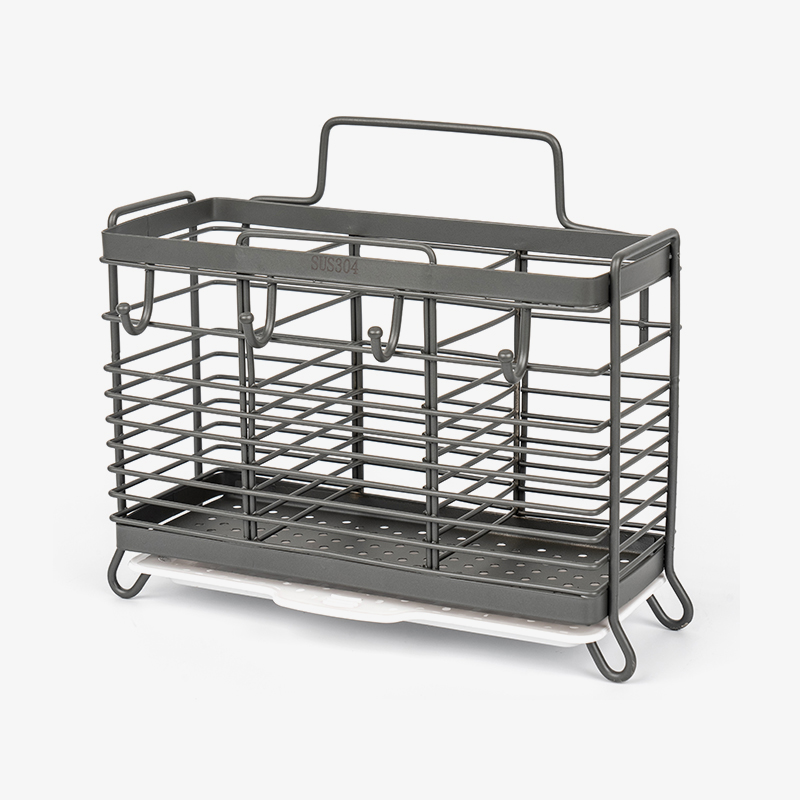
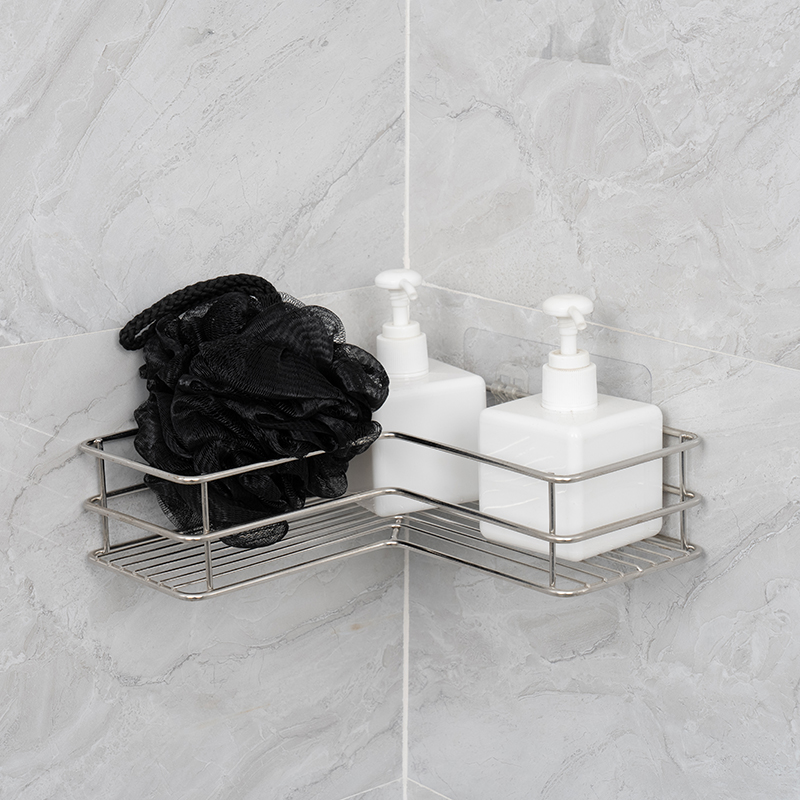 Adhesive SUS304 Stainless Steel Corner Shower CaddyFits bathroom corners where grout lines meet, with open-grid drainage and up to 30 lbs capacity for everyday bath products.View Product →
A corner shelf also solves the most common tile problem: the unit sits where the grout lines meet, so the adhesive pads land on full tiles rather than straddling joints.
Load Ratings: Read the Number, Then Halve It
Treat the rated load as an absolute ceiling and plan for roughly half of it in daily use, because bathroom loads are dynamic, wet, and rarely centred.
Manufacturers rate static load on a clean, flat, lab-condition surface at room temperature. A real bathroom adds steam, shampoo residue, cleaning sprays, and the occasional elbow. Off-centre loading is the quiet killer: 4 kg concentrated at one end of a 60 cm shelf produces more stress at the bracket than 6 kg spread evenly.
| Item | Typical weight | Notes |
|---|---|---|
| 500 ml shampoo bottle | 0.55 kg | Family-size bottles are often 750 ml to 1 L |
| 1 L body wash | 1.1 kg | Heaviest single item on most shower shelves |
| Ceramic soap dish with bar soap | 0.4-0.5 kg | Stone dishes are heavier than plastic |
| Folded bath towel | 0.6-0.8 kg | Damp towels add 30-50 percent |
| Electric toothbrush and charger | 0.3 kg | Cable tension adds a small pull |
| Glass jar of cotton pads | 0.4 kg | Breakable, so keep it near a wall end |
A loaded shower caddy routinely reaches 6-8 kg. If that is your use case, specify a shelf rated at 10 kg or more, or split the load across two smaller units.
Material and Coating Decide How Long the Shelf Survives Steam
For a bathroom, 304 stainless steel or a properly coated carbon steel is the safe choice; untreated iron and thin decorative plating fail first at welds and cut edges.
Bathroom air commonly sits at 60-90 percent relative humidity, and the water carries soap, shampoo surfactants, and occasional acidic cleaners. Salt spray testing is the clearest signal of coating quality: a 48-hour result suits a dry guest bathroom, while a shower area warrants 96 hours or more. Coating thickness, typically 60-100 micrometres for powder coating, matters as much as the coating type, and edge coverage matters more than the flat faces.
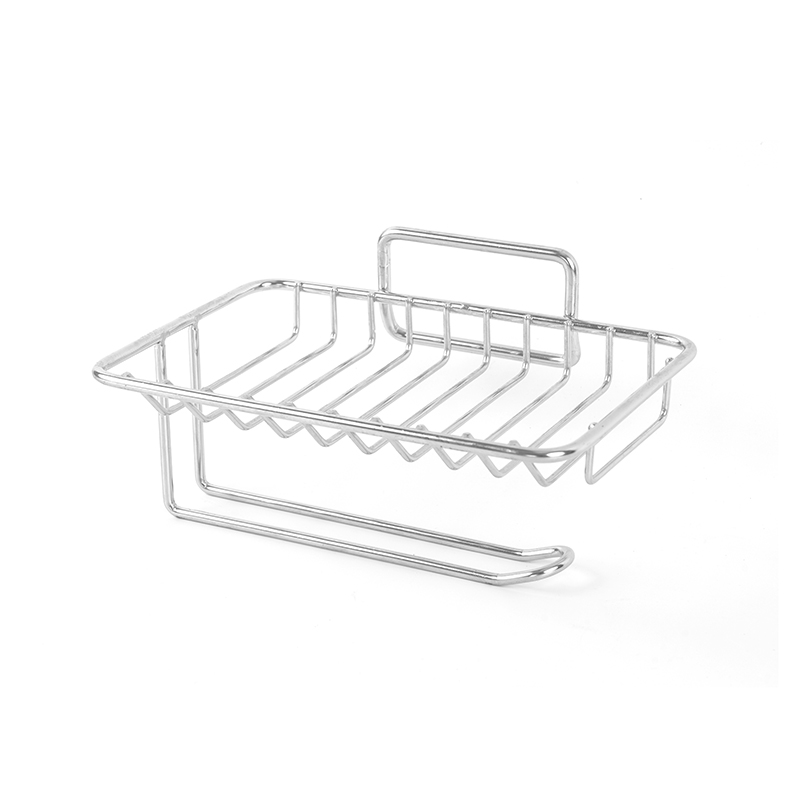 Self-Draining Ceramic Soap Dish with Stainless Steel StandLeaf-shaped ceramic dish drains excess water to help soap dry, paired with a corrosion-resistant 304 stainless steel stand for shower or vanity use.View Product →
Where the shelf is welded, check that the seam is ground and coated. Bare weld spots are the first place rust appears, usually within a single heating season.
The Installation Sequence That Separates a Shelf That Holds From One That Falls
Preparation and cure time decide the outcome more than hand pressure does, so follow the order below rather than improvising.
- Clean the wall with isopropyl alcohol and let it dry completely. Household cleaners leave a film that reduces adhesion.
- Mark the position with a pencil and check level; leave at least 25 mm clearance above the shelf so bottles can be lifted out.
- Apply the adhesive pad at room temperature, press firmly for 30-60 seconds, and hold the shelf in place with tape if it wants to slide.
- Leave it unloaded for 24 hours, and 72 hours for epoxy-based pads. Loading early is the single most common cause of slow creep.
- Add weight gradually, placing heavier bottles near the wall and near the brackets, never at the outer edge.
- Re-seat suction cups monthly with a wipe of warm water, and check adhesive pads after the first hot shower week.
Where No-Drill Shelves Fail in Real Bathrooms
Failures cluster around four repeatable situations, and all four can be screened out at the buying stage.
- Paint instead of tile: the adhesive holds, the paint does not, and the shelf takes a patch of wall with it.
- Water behind the pad: moisture trapped between adhesive and tile softens the bond, usually after a few weeks of daily showers.
- Grout-line bridging: a pad that spans joints loses up to a third of its contact area and creeps under load.
- Chemical attack: descalers and bleach-based sprays degrade cheap adhesive and dull thin plating.
- Removal damage: a strong pad removed cold can pull glaze or leave residue, which matters for renters protecting a deposit.
Renters should favour tension or over-cabinet designs where a deposit is at risk, and adhesive units where the wall is genuinely glazed tile.
Sourcing No-Drill Bathroom Shelves: What Brands Should Write Into the Spec
For a retail programme, the adhesive interface, the load test protocol, and the coating specification matter more than the shape of the shelf, because those three items generate the returns.
A workable specification covers pad dimensions and tape grade, static load tested for 24 hours at twice the rated load in 40 degrees Celsius and 90 percent relative humidity, salt spray hours, sheet thickness with tolerance, and packaging that includes an alcohol wipe and a positioning template. A shelf that arrives without a template gets installed badly, and a badly installed shelf becomes a one-star review that mentions the brand rather than the adhesive.
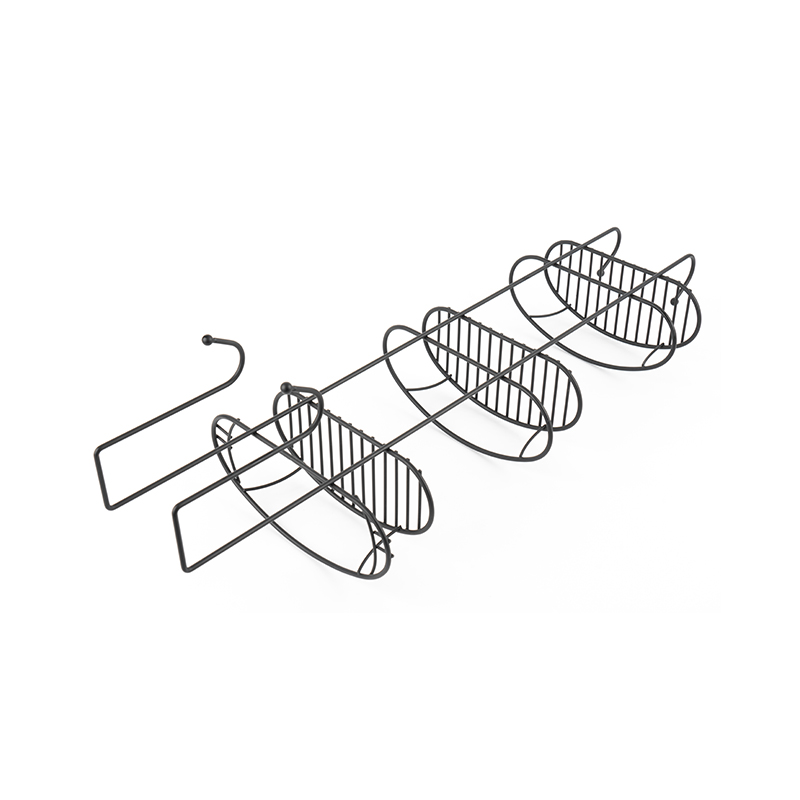 Three-Tier Hanging Basket Set for Kitchen and BathroomNo-drill hook-mounted basket with three adjustable tiers and breathable mesh, suited to rental kitchens, dormitories, and bathrooms where space is limited.View Product →
Buyers working with a metal manufacturer should also confirm the process chain behind the product: stamping, laser cutting, welding, bending, and powder coating under one roof shorten the feedback loop between a load-test failure and a design change. The full bathroom and kitchen rack range shows how the same mounting logic scales from a single soap dish to a three-tier organiser, and the quality control process is where load testing, coating thickness checks, and salt spray verification should be documented before a container ships.
Finally, align MOQ with the packaging decision. Custom colour cards, printed templates, and bilingual instructions add tooling cost, so a first order is often best placed with existing packaging while the load specification is validated in the market.
Frequently Asked Questions
Can a no-drill bathroom shelf hold a full set of shampoo and body wash bottles?
Yes, if the shelf is rated at 10 kg or more and the bottles sit close to the wall. A typical family set of four bottles weighs 3-4 kg, which is within range for a good adhesive shelf but too much for most suction units.
How long should I wait before loading an adhesive shelf?
Wait 24 hours for acrylic foam pads and 72 hours for epoxy pads. Adhesive strength builds over time, and loading early causes permanent creep rather than a clean failure.
Will removing an adhesive shelf damage my tile?
Usually not on glazed ceramic if you warm the pad with a hairdryer and slide dental floss behind it. On painted drywall, expect to repair and repaint the patch.
Do suction shelves work on textured or matte tile?
No. Suction needs an airtight seal, and a matte or textured surface lets air creep in. Use adhesive or a tension pole instead.
Is a corner shelf stronger than a flat wall shelf?
A corner unit spreads load across two wall planes, so it usually feels stiffer and carries more weight for the same adhesive area. It also keeps the shelf out of the way in small bathrooms.
What load test should I ask a supplier for?
Ask for a 24-hour static test at twice the rated load, run at elevated humidity, plus salt spray hours for the coating. Those two results predict field returns better than a product photograph.